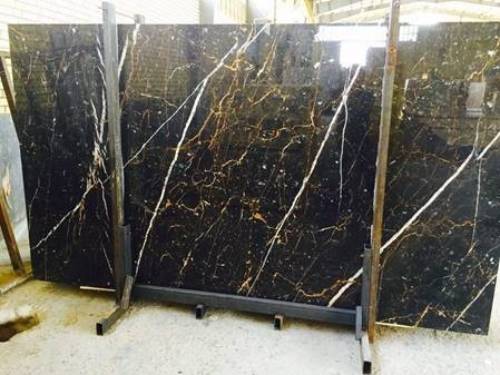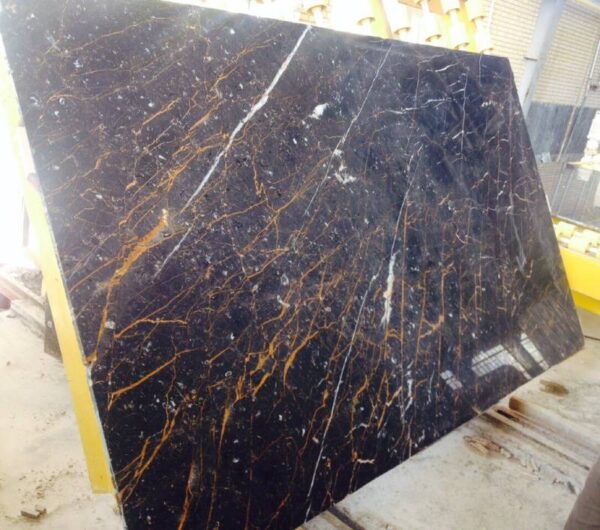
Black and Gold Marble

Demanded Stones in Asia

The Most Demanded Stones in Asia: Top Choices for Your Projects

In Asia, natural stones are in high demand due to their durability, beauty, and versatility. Whether you’re working on a residential or commercial project, choosing the right stone is crucial. Let’s dive into the most popular stones in Asia and why they’re so sought after.

Most Popular Stones in Asia

From the towering skyscrapers of Shanghai to the historic monuments of India, certain stones stand out in Asia. Here are the top three stones that dominate the market.

1. Granite: Strong and Versatile

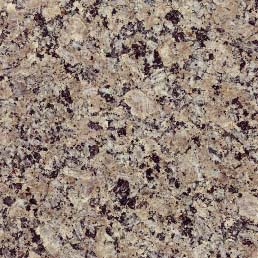
Granite is the go-to stone in Asia, especially for large-scale projects. Known for its strength and durability, granite is used in everything from kitchen countertops to outdoor pavements. In countries like China and India, it’s common to see granite in both residential homes and commercial buildings.

Granite is popular because it’s tough – it resists scratches, heat, and stains. It also comes in a wide range of colors and patterns, making it suitable for almost any design style. Whether you need it for a bathroom countertop or a grand building facade, granite is a reliable choice.

2. Marble: Timeless Luxury

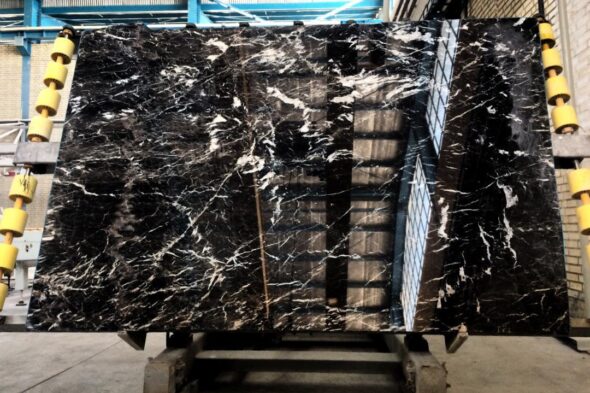
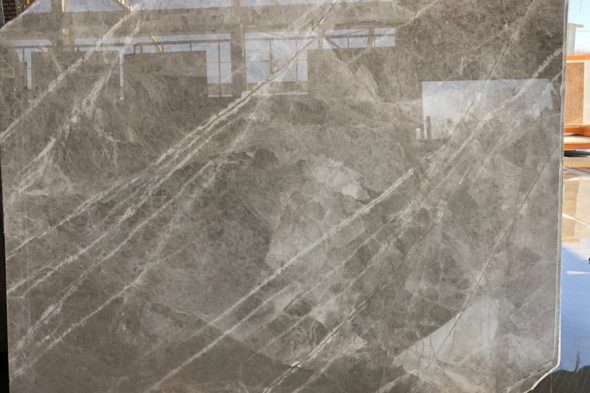
Marble has a long history in Asia, particularly in high-end and luxury projects. Famous varieties, such as India’s Makrana marble (used for the Taj Mahal), are highly prized for their elegant veining and polished finish.

Marble is often used in upscale homes, hotels, and commercial spaces. It adds a touch of sophistication and luxury to any room, whether it’s a marble countertop or a marble-tiled floor. Though it needs some maintenance to keep it looking pristine, the beauty it offers makes it well worth the effort.

3. Sandstone: Affordable and Natural

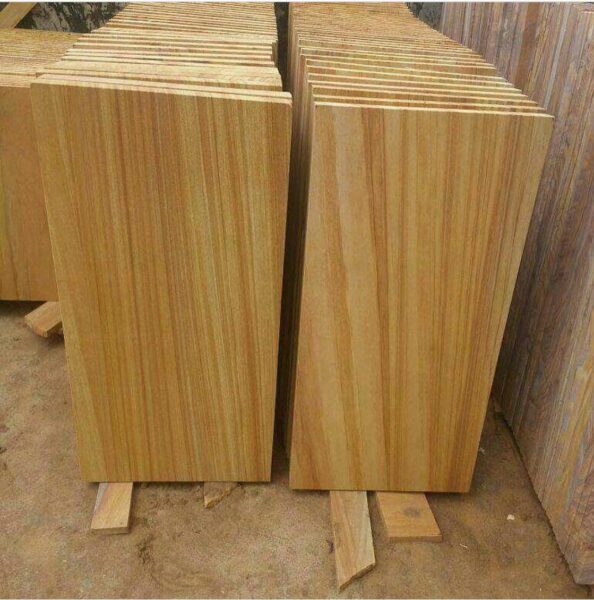
Sandstone is a top choice for those looking for an affordable, yet attractive material. It’s widely used in countries like India and Vietnam for flooring, wall cladding, and even outdoor paving. Sandstone’s earthy tones and natural look fit well in both traditional and modern designs.

It’s softer than granite and marble, which makes it easier to work with. Sandstone’s versatility also extends to sculptural and decorative elements, like garden features or statues.

Why These Stones Are in High Demand in Asia

1. Durability and Strength

Stones like granite, marble, and sandstone are known for their lasting strength. Granite can stand up to heavy use, marble holds its beauty over time, and sandstone, while softer, is still resilient for many applications. These materials are perfect for high-traffic areas or outdoor spaces where durability is key.

2. Beauty and Style

Each of these stones brings its own unique aesthetic. Granite offers a wide range of patterns, marble adds luxury with its veining, and sandstone provides a warm, natural look. Whether you’re designing a modern home or a traditional building, these stones enhance the visual appeal of any project.

3. Cultural Importance

In many Asian cultures, natural stone has a deep-rooted history. Marble has long been used in temples and monuments, while granite is often seen in both historic and modern constructions. Stones like sandstone are also tied to local traditions and are commonly used in construction throughout the region.

https://www.rockstone.biz/preventing-stone…ks-in-containers/

Granite Slabs

Farzin rock stone company 

Preventing Stone Cracks in Containers

Essential Tips for Long-Lasting Durability

Stone containers, including planters and storage vessels, are not only durable but also add an aesthetic appeal to any space. However, over time, exposure to weather, stress, and mishandling can lead to unsightly cracks. Preventing these cracks ensures the longevity and functionality of your stone containers, whether they are used for decorative purposes or functional storage.

bianco coral marble or travertine slab , tile and quarry

Why Stone Cracks Occur in Containers

Before diving into prevention methods, it’s important to understand why cracks form in stone containers. Cracking typically occurs due to several key factors:

  • Temperature Fluctuations: Extreme heat and cold can cause stone to expand and contract, weakening its structure over time.
  • Water Damage: Excess moisture can seep into the stone, causing it to weaken, especially during freezing conditions.
  • Physical Impact: Dropping or mishandling a container can cause immediate cracks, particularly if the stone is fragile.

By understanding these causes, you can take the necessary steps to prevent damage and maintain the integrity of your stone containers.

Tips to Prevent Cracking in Stone Containers

1. Choose the Right Type of Stone

When selecting stone containers, it’s important to choose the right material for the environment in which they will be used. Harder stones like granite or marble are more resistant to cracks compared to softer stones like limestone or sandstone. If you’re placing containers outdoors, ensure that the stone is suitable for outdoor conditions to avoid deterioration.

2. Seal the Stone Surface

One of the best ways to protect stone containers is by applying a high-quality sealant. This will create a protective layer that reduces moisture penetration and shields the stone from harsh weather conditions. Sealants also help protect against stains and physical damage, contributing to the longevity of your stone containers.

3. Avoid Standing Water

Ensure that the containers have proper drainage. Standing water in a container can seep into the stone, increasing the risk of cracks, especially during winter when water freezes and expands. Proper drainage holes or a gravel base will help water flow out, preventing moisture buildup.

4. Store Containers in a Safe Location

Stone containers are prone to cracking if they are exposed to high-impact forces or are left in areas with extreme temperature fluctuations. Store your stone containers in locations where they are protected from direct sunlight, freezing conditions, and heavy impacts. During colder months, consider moving containers indoors or covering them to protect them from the elements.

5. Regular Inspection and Maintenance

Regularly check for early signs of wear and tear on your stone containers. Small cracks can often be repaired before they become larger issues. Repairing cracks immediately will prevent them from spreading and compromising the entire structure.

https://www.rockstone.biz/most-demanded-stones-in-asia/

Does Travertine Tile Crack Easily

Farzin rock stone company 

Nero marquina marble - What is Nero marquina marble stone

Demanded Stones in USA

A Comprehensive Guide

The stone industry in the USA is booming, driven by high demand for both natural and engineered stones. These materials play a crucial role in construction and also enhance home décor, landscaping, and commercial projects. Understanding which stones are most in demand can help contractors, designers, and homeowners make informed decisions about the best materials.Demanded Stones in USA

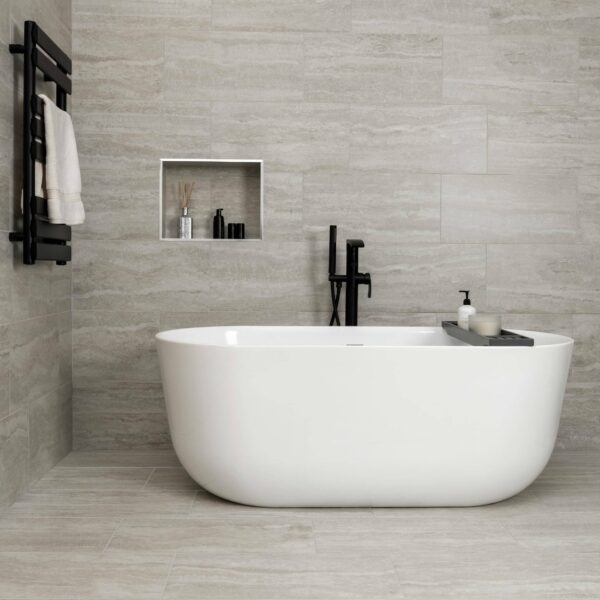
Light Silver Travertine Bathroom Wall

Top Stones in Demand in the USA

Several stones stand out for their durability, versatility, and aesthetic appeal. Let’s take a closer look at the top choices for a variety of projects.

1. Granite: The King of Stones

Granite remains the most sought-after stone in the USA, thanks to its impressive strength, resistance to wear, and natural beauty. Homeowners and designers often use it for countertops, flooring, and outdoor projects. Its durability makes granite a favorite for both residential and commercial spaces. Additionally, granite resists heat, scratches, and stains, making it ideal for kitchens and high-traffic areas.

2. Marble: Elegant and Timeless

Marble continues to dominate the luxury stone market. Designers frequently select it for high-end kitchen and bathroom countertops, floors, and fireplace surrounds. Its exquisite veining and polished surface add timeless elegance to any space. Although marble requires careful maintenance to prevent scratches and stains, its enduring beauty makes it a top choice for upscale homes and commercial projects.

3. Limestone: Natural Beauty with a Soft Look

Limestone has grown in popularity for its soft, natural aesthetic. Architects and homeowners use it for both interior and exterior applications, including flooring, cladding, and landscaping. While limestone does not match granite’s durability, its affordability and organic appeal make it a favorite for a wide range of projects.

Why These Stones Are in High Demand

1. Durability and Longevity

Granite and marble offer exceptional durability, making them perfect for high-traffic areas and long-term investment. Homeowners and businesses seek stones that withstand years of use, ensuring their investment pays off over time.

2. Aesthetic Appeal

The natural beauty of marble and limestone remains unmatched. Their unique veining, textures, and color variations elevate any space, whether used in interior or exterior design. As a result, these stones frequently appear in luxury homes, commercial buildings, and upscale landscaping projects.

3. Versatility

Granite and limestone adapt to a wide range of applications, from countertops and flooring to landscaping and architectural features. Their flexibility across styles and environments makes them ideal for both residential and commercial projects.

Farzin rock stone company 

Most Used Stones in the USA

akam onyx

Demanded Stones in Europe

A Guide for Buyers and Designers

Europe’s stone industry is diverse, with growing demand for high-quality, versatile materials used in construction, interior design, and landscaping. The variety of natural stones offers options for every style and purpose. Understanding which stones buyers prefer in Europe can help them make informed choices for both residential and commercial projects.

marble

Popular Stones in Demand Across Europe

Several stones stand out for their durability, versatility, and aesthetic appeal. From luxurious marble to accessible and durable limestone, these materials serve a wide range of design needs across the continent.

1. Marble: A Symbol of Luxury and Elegance

Marble remains one of the most sought-after stones in Europe, especially for high-end residential and commercial projects. Designers use it for countertops, flooring, and luxury architectural features because of its striking veining and polished surface. Italy produces some of the finest marble varieties, including Carrara marble, which continues to symbolize sophistication and elegance.

Although marble requires regular maintenance to prevent staining and scratching, its unmatched beauty drives demand, particularly in upscale homes, hotels, and office buildings.

2. Limestone: Versatile and Cost-Effective

Limestone enjoys popularity in Europe for its natural, rustic appeal. Architects and homeowners use it for both interior and exterior applications, including flooring, cladding, and paving. Countries like France and the UK produce high-quality limestone, which builders incorporate into both historic restorations and modern designs.

Its affordability compared to granite and marble makes limestone an excellent choice for budget-conscious projects. Its soft, natural tones allow designers to incorporate it into both contemporary and traditional architectural styles.

3. Granite: Durability Meets Aesthetics

Granite’s presence in Europe’s stone market continues to grow due to its strength and visual appeal. Designers select it for kitchen countertops, flooring, and facades because it withstands wear and tear while requiring minimal maintenance. Its wide range of colors and patterns allows customization to match diverse design preferences.

Granite performs particularly well in commercial spaces and kitchens, where resistance to heat, scratches, and stains proves invaluable. Its versatility and long lifespan keep it in high demand.

Why These Stones Are So Popular in Europe

1. Aesthetic Appeal

Marble, limestone, and granite enhance the beauty of any project. Their natural textures, unique veining, and vibrant colors create visually striking spaces. From marble countertops in luxury hotels to limestone floors in rustic homes, these stones elevate residential and commercial environments.

2. Durability and Functionality

European buyers prioritize stones that combine beauty and resilience. Granite withstands heavy use, marble adds timeless charm, and limestone offers versatile functionality. These qualities make the stones ideal for high-traffic areas and outdoor applications, ensuring long-term value.

3. Cultural and Historical Significance

Marble and limestone have played important roles in European architecture for centuries. Builders and designers continue to choose these stones to honor the region’s rich history and heritage. Their ongoing popularity reflects Europe’s enduring connection to traditional craftsmanship and cultural identity.

https://www.rockstone.biz/demanded-stones-in-africa/

Types of pink onyx, tiles , slab, and quarry – Iranian pink onyx

Farzin rock stone company 

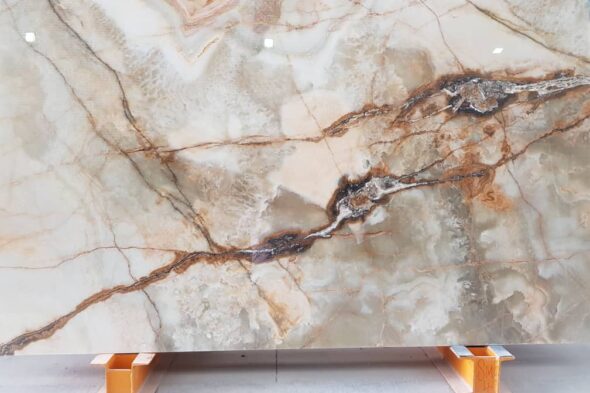
Black and yellow marble

Demanded Stones in Africa

Top Choices for Construction and Design

In Africa, the demand for natural stones has surged due to the growing construction industry and increased interest in residential and commercial projects. From elegant marble to durable granite, these stones not only enhance the beauty of structures but also provide lasting durability. In this article, we will explore the most popular stones in Africa and explain why designers and builders prefer them.

granite_stone

Top Stones in Demand Across Africa

Across Africa, certain stones have gained favor because of their strength, aesthetic appeal, and versatility. Next, let’s examine the top three stones dominating the market.

1. Granite: Durable and Versatile

Granite ranks as the most popular stone in Africa, and architects use it extensively for both residential and commercial projects. Its strength, heat resistance, and durability make it ideal for countertops, flooring, facades, and even outdoor installations. African countries like South Africa and Zimbabwe produce high-quality granite, which comes in a variety of colors and textures.

Granite’s versatility drives its popularity. For example, whether designers use it for kitchen surfaces or large-scale architectural features, granite withstands wear and tear, ensuring long-lasting results.

2. Marble: Luxury and Elegance

Marble remains highly sought after, particularly in luxury designs. Its stunning veins and smooth finish make it a favorite for high-end residential and commercial properties across Africa. Countries like Egypt and Morocco boast a long tradition of using marble in palaces, monuments, and architectural marvels.

Although marble costs more and requires regular maintenance to prevent staining, its timeless elegance continues to attract designers. Upscale projects, such as luxury hotel lobbies, grand staircases, and high-end bathrooms, often feature marble as a centerpiece.

3. Limestone: Affordable and Aesthetic

Limestone has experienced growing demand, especially in countries like Egypt and Tunisia, where it is abundant. Designers favor limestone for its affordability and natural, earthy appearance. They often use it for paving, cladding, and even historic-style constructions.

Its warm tones and versatility make limestone suitable for a wide range of design styles. Furthermore, because it is relatively easy to cut and shape, architects can use it for both decorative elements and large-scale construction projects.

Why These Stones Are So Popular in Africa

1. Strength and Durability

Granite, marble, and limestone all offer remarkable strength and can withstand harsh environmental conditions. In regions with temperature fluctuations and heavy rainfall, these stones maintain their integrity and appearance, making them reliable choices for residential and commercial buildings.

2. Aesthetic Appeal

The natural beauty of these stones drives their popularity. Granite provides bold patterns, marble adds luxurious veining, and limestone contributes soft, earthy hues. Together, these stones bring elegance and sophistication to any space, whether in a modern skyscraper or a traditional African home.

3. Cultural and Regional Significance

Stone holds deep cultural significance across Africa. From ancient Egyptian limestone monuments to Moroccan marble architecture, these materials connect modern designs to the continent’s rich history. Therefore, using these stones allows designers to honor traditional African craftsmanship while creating contemporary structures.

https://www.rockstone.biz/demanded-stones-in-usa/

https://www.rockstone.biz/demanded-stones-in-south-america/

Exploring Iranian Onyx

Farzin rock stone company 

onyx

Demanded Stones in South America

Top Choices for Your Projects

In South America, natural stones are in high demand as the construction industry continues to grow. From strong granite to luxurious marble, these stones are prized for their beauty and durability. In this article, we will explore the most popular stones in South America and explain why designers and builders favor them.

green granite

The Top Stones in South America

Several stones have gained popularity across South America, with each offering unique benefits for different types of projects. Let’s examine the top three stones in high demand on the continent.

1. Granite: The Strong and Durable Choice

Granite is the most popular stone in South America. Known for its strength, heat resistance, and ability to withstand heavy use, designers frequently choose granite for kitchens, bathrooms, floors, and exterior facades. Countries like Brazil and Argentina produce high-quality granite in a wide range of colors and patterns.

Granite’s toughness makes it ideal for high-traffic areas. Whether designers install it in homes, commercial buildings, or outdoor spaces, granite maintains its appeal. Additionally, its versatility suits both modern and traditional design styles, which ensures it remains in demand.

2. Marble: Elegant and Luxurious

Marble is the preferred stone for luxury projects. Its striking veins and polished finish make it perfect for high-end residential homes, hotels, and commercial buildings. In countries like Brazil, designers often use marble for countertops, floors, and decorative features.

Although marble requires regular maintenance, its luxurious appearance keeps it in high demand. Designers frequently choose it for bathrooms, kitchens, and statement elements such as grand staircases and entryways.

3. Limestone: Affordable and Beautiful

Limestone has grown in popularity in South America due to its affordability and versatility. Designers commonly use it for outdoor paving, cladding, and landscaping projects. Countries like Peru and Colombia provide abundant limestone resources.

Limestone’s natural, earthy tones make it an attractive choice for both modern and traditional designs. Moreover, because it is easy to cut and shape, architects often use it to create decorative garden features and sculptures. Its lower cost compared to granite and marble also makes it an excellent option for budget-conscious projects.

Why These Stones Are So Popular in South America

1. Built to Last

Granite, marble, and limestone all deliver exceptional durability. Their tough surfaces withstand wear and tear in both high-traffic areas and outdoor applications. As a result, these stones remain reliable choices for long-lasting construction projects.

2. Aesthetic Appeal

Each stone brings unique beauty to a project. Granite offers striking patterns, marble adds classic veining, and limestone contributes warm, natural tones. Together, they enhance both modern and traditional designs, making them versatile for a variety of applications.

3. Cultural Significance

Stone has long played a vital role in South American architecture. From historical monuments to modern buildings, designers continue to use these materials to honor the region’s cultural heritage. Furthermore, countries like Brazil, Argentina, and Peru supply abundant natural stone resources, allowing builders to access high-quality materials easily.

https://www.rockstone.biz/the-biggest-stone-importers/

Farzin rock stone company 

Best Stones for Exporting

All you need to know about honey onyx stone

finding lowest stone price

How to Find the Lowest Stone Price for Your Project

Finding the best price for stone materials is crucial for staying within budget on your next construction, landscaping, or renovation project. Whether you’re buying in bulk for a large-scale development or just a few stones for a garden makeover, it’s important to know how to find the lowest prices without sacrificing quality. Here’s a guide to help you save money while getting the best stone materials.

akam onyx

Why Finding the Lowest Stone Price Matters

When working on a construction or landscaping project, materials like stone can be one of your biggest expenses. Stone is used in everything from patios and driveways to building foundations and retaining walls. To keep your costs down while still ensuring durability and aesthetics, it’s essential to shop around and compare prices from various suppliers.

Factors That Affect Stone Prices

Before you start searching for deals, it’s important to understand the key factors that influence stone prices:

  1. Stone Type – Different types of stone (granite, limestone, marble, etc.) come at different price points. Research the most cost-effective option for your project.
  2. Size and Quantity – Bulk orders may receive discounts, but smaller orders may have higher per-unit prices.
  3. Location – Local suppliers often offer better pricing, especially if you can pick up the stone yourself, avoiding delivery charges.
  4. Quality – Sometimes, the lowest price can come with compromised quality. Balance cost with long-term durability.

Where to Look for the Best Stone Deals

Finding the lowest price is easier when you know where to look. Here are a few great places to start your search:

1. Local Stone Suppliers and Quarries

Check out nearby stone suppliers or quarries, as they often offer competitive prices, especially if you’re purchasing in bulk. By buying directly from the source, you can often avoid the markup that resellers charge.

2. Online Marketplaces and Bulk Retailers

Websites like Home Depot, Lowe’s, or even specialized stone retailers often have sales or bulk pricing options. While they may charge for delivery, the convenience of ordering online can outweigh the extra cost.

3. Salvage Yards and Secondhand Markets

If you’re open to using reclaimed materials, salvage yards, and secondhand markets can offer substantial savings. Many of these places offer stone that’s still in good condition but priced much lower than new materials.

How to Ensure You’re Getting the Best Deal

Once you have a list of potential suppliers, here are some tips to ensure you’re getting the lowest price on your stone:

  1. Request Multiple Quotes – Don’t settle for the first price you find. Get quotes from several suppliers to compare costs and services.
  2. Negotiate for Discounts – If you’re purchasing in large quantities, don’t hesitate to ask for discounts or free delivery to lower your overall cost.
  3. Look for Promotions – Seasonal sales, special promotions, or loyalty programs from suppliers can offer significant savings on stone purchases.

https://www.rockstone.biz/preventing-stone-cracks/

what is the Sandstone

Farzin rock stone company 

onyx

Finding Stone Customers Abroad

How to Find Stone Customers Abroad: A Guide for Exporters

Finding customers for your stone products abroad is a crucial step for expanding your business globally. Whether you specialize in granite, marble, limestone, or other natural stones, connecting with international buyers can significantly boost your sales. This guide will help you navigate the process of finding stone customers abroad, making sure your export business thrives.

marble

Why Export Stone Products?

The global demand for natural stone continues to grow, driven by industries such as construction, landscaping, architecture, and interior design. Countries with booming construction sectors often seek high-quality stone materials for building projects. Exporting your stones offers several advantages:

1. Access to New Markets

By reaching customers abroad, you can tap into emerging markets and countries where the demand for stone materials is increasing.

2. Higher Profit Margins

International customers may be willing to pay premium prices for quality stone, particularly if the stone is rare or has specific characteristics desired in global markets.

3. Diversification of Risk

Exporting allows you to diversify your client base and reduce the impact of market fluctuations in your home country.

How to Find Stone Customers Abroad

Successfully finding customers abroad requires a strategic approach. Here are some key methods to help you expand your stone export business:

1. Leverage Online Platforms and Marketplaces

In today’s digital world, online platforms are one of the most effective ways to connect with potential customers. Websites like Alibaba, ExportHub, and GlobalStonePortal allow you to list your stone products and reach a global audience. Make sure your listings are well-detailed with high-quality images and clear descriptions to attract buyers.

2. Participate in International Trade Fairs

Trade fairs are an excellent way to showcase your stone products and meet international buyers face-to-face. Attending prominent events like the Marmomac Fair in Italy or The Big 5 in Dubai gives you direct exposure to a large number of stone industry professionals, architects, and importers. Networking at such events can help build long-term business relationships.

3. Partner with Local Distributors

In many regions, local distributors or agents are already well-connected with buyers and can help you reach customers more effectively. Find reputable distributors in target markets who can handle your product’s importation, distribution, and marketing to end-users.

4. Utilize B2B Marketing Strategies

Building an online presence is essential for reaching customers abroad. Invest in SEO and content marketing to ensure your stone products appear in search results when potential buyers look for specific types of stone. Creating informative content such as blog posts, case studies, and stone-related guides can also attract interest from international customers.

Tips for Building Relationships with International Stone Customers

Building strong, long-term relationships with international buyers is key to sustained success. Here are some tips to foster those connections:

1. Understand Local Market Trends

Each country has unique preferences when it comes to stone materials. Research the local market to understand which stone varieties are in high demand and tailor your offerings accordingly.

2. Offer Competitive Pricing

While price isn’t everything, offering competitive rates can make a significant difference. Ensure your pricing reflects the quality of your stones while also remaining attractive to international customers.

3. Provide Excellent Customer Support

Timely communication, clear documentation, and reliable after-sales service go a long way in building trust with customers abroad. Make sure your customer support team is available to answer inquiries promptly and assist with logistics.

https://www.rockstone.biz/finding-lowest-stone-price/

Best Stones to Export

Farzin rock stone company 

Brown-Onyx

Most Demanded Stones in Cuba

A Complete Guide

Cuba has a rich variety of natural stones that are in high demand for different industries, from construction to landscaping. These stones offer beauty and durability, making them valuable in many projects across the country. Here’s an overview of the most popular stones in Cuba, their uses, and why they stand out. Most Demanded Stones in Cuba

Light-Silver-Titanium-Travertine

Top Stones in Demand in Cuba

Several types of stone are widely used in Cuba. These materials serve different purposes, from residential construction to commercial applications. Here are the most demanded stones:

Marble

Marble is one of the top stones in Cuba. Known for its elegant appearance, it is widely used for countertops, flooring, and decorative features. Its timeless look makes it a top choice for both modern and traditional projects. Marble enhances the beauty of any space and adds value to luxury homes and buildings.

Granite

Granite remains highly in demand in Cuba, particularly for its strength and durability. Builders often use granite for countertops, floors, and exterior surfaces. Its resistance to heat, scratches, and stains makes it an excellent option for both indoor and outdoor use. Granite’s varied colors and patterns also make it a popular choice for stylish home designs.

Limestone

Limestone is popular in Cuba for its affordability and versatility. Builders use it for construction, paving, and landscaping. It is easy to shape, which makes it ideal for custom projects. Limestone also adds a natural, rustic look to outdoor spaces like gardens and walkways.

Travertine

Travertine is another stone in high demand in Cuba, especially for flooring and wall coverings. It has a warm, earthy tone and a textured finish that gives spaces a timeless and rustic appeal. Travertine is durable enough to withstand high-traffic areas and wet environments, making it perfect for bathrooms, kitchens, and outdoor patios.

Why These Stones Are Popular in Cuba

Several factors make stones like marble, granite, limestone, and travertine so popular in Cuba:

Durability and Strength

The durability of these stones makes them perfect for a wide range of projects. Granite and marble resist scratches, stains, and heat, ensuring long-lasting results. Limestone and travertine are also strong, making them reliable choices for both residential and commercial applications.

Aesthetic Appeal

These stones are also popular because of their visual appeal. Marble and granite offer luxurious finishes, while limestone and travertine bring a natural, earthy charm to outdoor and indoor areas. Their variety of colors and textures allows for many design possibilities.

Versatility

These stones are extremely versatile. Builders use them in construction, flooring, landscaping, and decorative elements. Whether it’s for countertops, patios, or building facades, marble, granite, limestone, and travertine fit a variety of project needs in Cuba.

Farzin rock stone company 

Travertine Tiles Export to Italy

Bathroom Wall Beige Travertine

stones for home designing Germany

Why Stone Dominates Home Design in Germany

When it comes to home design in Germany, stone remains a top choice because of its durability, visual appeal, and versatility. Whether you use it for flooring, countertops, facades, or decorative details, stones like granite, limestone, and sandstone lead the German design market. In this guide, we’ll explore the most popular stones and explain why homeowners and designers prefer them.

Honey Onyx Kitchen

Why Stone Stands Out in German Homes

Stone combines beauty with function, a quality deeply rooted in German architecture. In a country where historical charm blends seamlessly with modern styles, stone offers timeless elegance. The main reasons behind its popularity include:

  • Durability – Stones last for decades and handle heavy use, making them perfect for structural and decorative purposes.

  • Aesthetic Variety – Each type of stone provides unique textures and colors, giving homeowners broad design freedom.

  • Sustainability – As a natural material, stone supports eco-friendly building practices.

The Most Popular Stones in German Home Design

Several stones consistently appear in German interiors and exteriors. Below are the most sought-after options.

1. Granite – The Durable and Elegant Choice

Granite dominates German kitchens, hallways, and building facades. Known for its unmatched strength and resistance to wear, it thrives in high-traffic spaces. Its heat and scratch resistance also make it a go-to for countertops.

Why Granite? Its durability, elegance, and variety of colors make it a leading option in German homes.

2. Limestone – The Versatile and Timeless Stone

Limestone works equally well indoors and outdoors. Its light shades and natural texture create warmth and charm in both traditional and modern settings. From wall cladding to flooring and garden paths, it brings understated elegance.

Why Limestone? Its softness makes it easy to cut, allowing for diverse design applications.

3. Sandstone – Natural Warmth with Rustic Appeal

Sandstone’s warm colors and unique grain patterns enhance both exterior and interior spaces. Homeowners often choose it for facades, fireplaces, and garden walls. It helps create a cozy, welcoming atmosphere—especially in classic-style homes.

Why Sandstone? Its rich textures and earthy tones give spaces a grounded, natural feel.

How to Choose the Right Stone for Your Home in Germany

Selecting the right stone depends on where you plan to use it, your design preferences, and the local climate. Consider its durability, texture, and color so it complements your home’s overall style. Consulting a skilled designer or contractor ensures you choose a stone that meets both aesthetic and practical needs.

Conclusion: Bring Timeless Beauty into Your German Home

Using stone in your home design enhances not just beauty, but also function and longevity. Whether you select granite for its strength, limestone for its versatility, or sandstone for its rustic charm, you invest in a material that stands the test of time. By embracing stone, you can create a German home that feels both modern and enduring.

https://www.rockstone.biz/basalt-for-home-designing/

https://www.rockstone.biz/onyx-for-designing-your-home/ 

Farzin Rock Stone Company