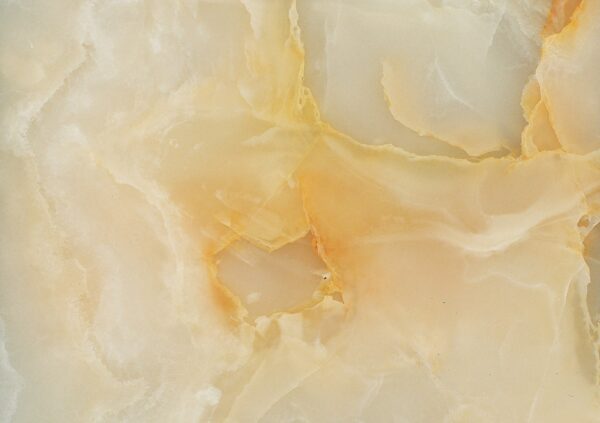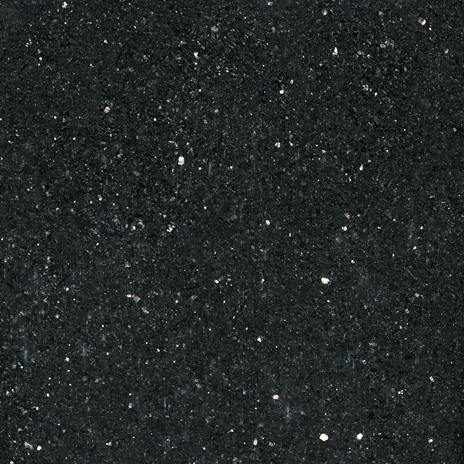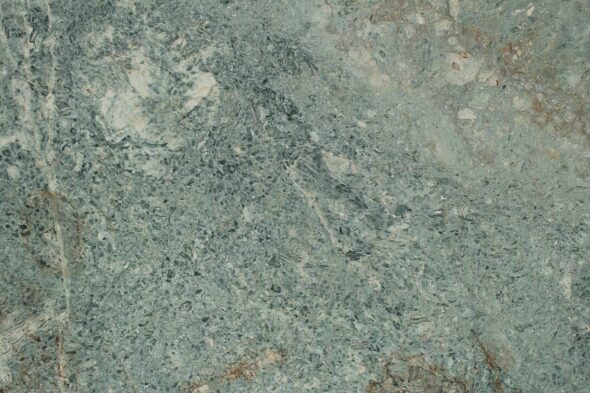
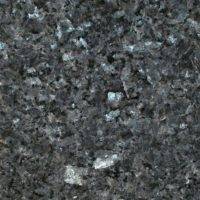
granite stone

Best Stones for Cold Weather

Top Choices for Cold Climates

When building in cold climates, choosing the right materials is essential to ensure long-term durability, energy efficiency, and comfort. Fortunately, natural stones are an excellent choice for cold weather due to their thermal mass properties, which help regulate indoor temperatures by absorbing and retaining heat. In this article, we explore the best stones for cold weather and explain why they are perfect for regions that experience harsh winters.
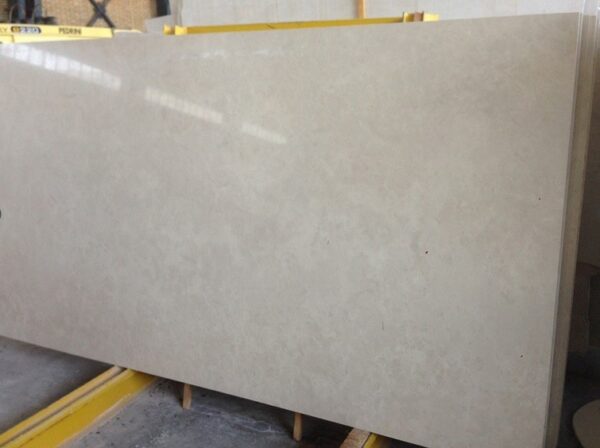
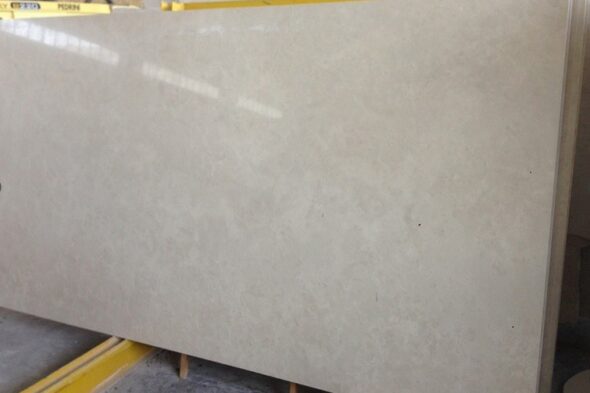
Gohareh limestone slab

1. Granite: Durable and Heat-Retaining

Granite is one of the most popular stones for cold climates, and for good reason. Its density allows it to absorb and retain heat, providing a natural source of warmth. As a result, granite is ideal for both interior and exterior applications, from countertops and floors to outdoor walkways and facades. Moreover, its resistance to freeze-thaw cycles makes it a durable choice for areas with extreme temperature changes.

Why Granite is Great for Cold Climates:

  • Exceptional thermal mass that absorbs and retains heat.

  • Resistant to cracking and damage from freezing temperatures.

  • Available in a variety of colors and finishes to suit any design style.

Popular Granite Varieties:

  • Black Granite

  • White Granite

  • Gray Granite

2. Limestone: A Soft and Insulating Stone

Limestone is another excellent choice for cold climates. Although it is softer than granite, its insulating properties help retain heat within the home. Consequently, limestone is often used in flooring, facades, and fireplaces, as it absorbs and releases heat naturally to create a comfortable indoor environment. In addition, its neutral color palette complements various architectural styles.

Why Limestone is Perfect for Cold Weather:

  • Provides insulation, helping to maintain steady indoor temperatures.

  • Absorbs and retains heat, making it ideal for winter climates.

  • Available in warm, earthy tones that create a cozy atmosphere.

Popular Limestone Varieties:

  • French Beige Limestone

  • Indiana Limestone

  • Turkish Limestone

3. Slate: Freeze-Resistant and Aesthetic

Slate is dense and non-porous, making it one of the best options for cold weather. Furthermore, it has excellent freeze-thaw resistance, meaning it won’t crack or deteriorate when exposed to freezing temperatures. Slate is commonly used for roofing, flooring, and wall cladding, therefore holding up well in harsh conditions. Its dark colors and textured surface also make it an attractive material for modern and traditional designs.

Why Slate is Ideal for Cold Climates:

  • Freeze-thaw resistant, ensuring long-term durability.

  • Holds heat effectively, contributing to indoor warmth.

  • Available in various colors and finishes, offering versatile design solutions.

Popular Slate Varieties:

  • Vermont Slate

  • Welsh Slate

  • Indian Black Slate

4. Sandstone: Weather-Resistant and Aesthetic

Sandstone is highly durable and weather-resistant, which makes it perfect for cold climates. Because of its ability to withstand freeze-thaw cycles, sandstone is ideal for both indoor and outdoor applications. For example, it is commonly used for paving, exterior cladding, and landscaping. Its rich, earthy tones also provide a natural look that blends well with snowy environments.

Why Sandstone is Great for Cold Weather:

  • Highly durable and weather-resistant for outdoor applications.

  • Can handle freezing temperatures reliably.

  • Offers natural color variations that complement winter landscapes.

Popular Sandstone Varieties:

  • Indian Red Sandstone

  • Australian Sandstone

  • British Yorkstone

5. Marble: Elegant and Insulating

Marble is often associated with luxury, but it also performs well in cold climates. Due to its high thermal mass, marble helps regulate indoor temperatures, keeping homes warm in winter. It is commonly used for countertops, flooring, and decorative elements. Additionally, its timeless beauty and ability to hold and release heat make it both functional and stylish for cold-weather projects.

Why Marble is Ideal for Cold Climates:

  • Natural insulation properties that regulate indoor temperatures.

  • A timeless elegance that enhances any space.

  • Available in various colors and patterns for custom designs.

Popular Marble Varieties:

  • Carrara Marble

  • Calacatta Marble

  • Emperador Marble

Farzin rock stone company 

https://www.rockstone.biz/best-stones-for-hot-weather/

Best Stones to Export

Gohareh limestone slab

Most Demanded Countries for Stone

Leading Global Markets

In 2024, the demand for natural stone remains strong, with various countries leading the way in both production and consumption. Stone plays a crucial role in construction, interior design, and landscaping projects. Therefore, understanding which countries are driving the demand can help businesses and consumers make informed decisions. In this article, we highlight the most in-demand countries for stone and examine the factors behind their prominence.Most Demanded Countries for Stone

Pietra Grey Marble

1. China: The Largest Importer of Natural Stone

China continues to dominate the global stone market as the world’s largest importer. The country’s booming construction sector, fueled by rapid urbanization, drives the need for high-quality stone materials. As a result, China imports significant quantities of marble, granite, and other stones from countries worldwide. These materials support infrastructure projects, commercial developments, and luxury residential constructions.Most Demanded Countries for Stone

Why China Leads in Stone Demand:

  • Rapid urbanization and infrastructure growth.

  • Increased demand for marble and granite in residential and commercial sectors.

  • High consumption of stone for decorative and functional purposes.

2. India: A Key Producer and Growing Consumer

India ranks as one of the top stone producers and a major consumer of natural stone. Indian marble, granite, and sandstone enjoy high demand in the U.S., Europe, and the Middle East. Moreover, domestic construction projects frequently use stone in temples, buildings, and landscaping. The country’s growing number of residential and commercial developments further fuels stone consumption.

Why India is a Stone Hub:

  • Leading producer of marble, granite, and sandstone.

  • Increasing domestic consumption in both residential and commercial construction.

  • Strong exports due to diverse and high-quality stone varieties.

3. United States: A Major Market for Imported Stone

The United States consistently ranks among the largest consumers of stone globally. Consequently, the demand for luxury homes, office buildings, and landscaping projects drives the need for natural stone. The U.S. imports marble, granite, and limestone primarily from Italy, Brazil, and India. Furthermore, stone countertops, flooring, and facades are increasingly popular in both residential and commercial spaces.

Why the U.S. Demands Stone:

  • High demand for luxury homes and commercial spaces.

  • Popularity of stone for countertops, flooring, and wall applications.

  • Growing demand for stone in landscape architecture and home renovations.

4. Italy: Renowned for Quality and Craftsmanship

Italy is internationally known for producing exceptional stone, particularly Carrara marble. The country exports high-quality stone worldwide and actively shapes global trends in stone design. Moreover, Italian stone is highly sought after for luxury construction projects, thanks to its superior craftsmanship and timeless appeal.

Why Italy is a Stone Leader:

  • Famous for high-quality marble, particularly Carrara marble.

  • Strong global demand for Italian stone in luxury projects.

  • Recognized for innovation in stone design and craftsmanship.

5. Brazil: A Top Exporter of Granite and Exotic Stones

Brazil excels in exporting granite and exotic stone varieties. Brazilian granite, available in striking colors like black, red, and blue, is highly sought after for residential and commercial applications. In addition, exports to North America, Europe, and Asia continue to grow as Brazilian granite gains popularity for its durability and aesthetic appeal.

Why Brazil Exports So Much Stone:

  • Known for a wide variety of high-quality granite and exotic stones.

  • Strong export markets in North America, Europe, and Asia.

  • Competitive pricing and rising demand for Brazilian granite.

Best Countries to Export Stones

Farzin rock stone comany

https://www.rockstone.biz/top-5-stone-exporters/

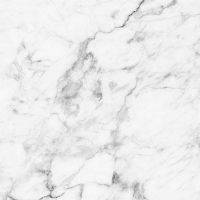
marble

Slabs vs. Tiles

Which is Best for Your Project?

When it comes to choosing the right material for your construction or renovation project, deciding between slabs and tiles is a common dilemma. Both offer unique benefits, but understanding their differences can help you make an informed decision. In this article, we’ll compare slabs and tiles to help you choose the best option for your flooring, countertops, or wall applications. Slabs vs. Tiles

Familiarity with features of Gohareh limestone slab

1. What Are Slabs and Tiles?

Before diving into the advantages and disadvantages of slabs vs. tiles, it’s important to understand what each option is.

Slabs:

Slabs are large, continuous pieces of natural or engineered stone. They are typically used for countertops, flooring, and walls. Slabs are usually available in full-size formats and are cut from larger blocks of stone, offering a seamless look with minimal joints.

Tiles:

Tiles, on the other hand, are smaller, pre-cut pieces of stone, ceramic, porcelain, or other materials. They come in various sizes, patterns, and finishes, and are generally used for flooring, backsplashes, and wall coverings. Tiles require grout to connect them, which results in visible lines between each piece.

2. Key Differences Between Slabs and Tiles

Understanding the key differences between slabs and tiles can help you determine which is the best choice for your needs.

Seamlessness vs. Patterns:

  • Slabs: A major advantage of slabs is the seamless look they provide. With minimal joints, slabs create a uniform surface that is highly valued for countertops and large floors.
  • Tiles: Tiles offer more flexibility in terms of design and patterns. You can create intricate designs using various tile sizes, shapes, and colors. However, the grout lines between tiles may break the flow of the surface.

Durability and Maintenance:

  • Slabs: Because slabs are large, they often require less maintenance when compared to tiled surfaces. The lack of grout means there’s less chance for dirt and moisture to accumulate, which is especially beneficial for kitchen countertops and bathrooms.
  • Tiles: Tiles, especially those with grout lines, may require more maintenance. Grout can stain or collect moisture, requiring periodic cleaning and sealing. However, tiles are often easier to replace if one becomes damaged.

Installation:

  • Slabs: Installing slabs is typically a more complicated and time-consuming process. Slab installation requires specialized tools and expertise due to the weight and size of the material. This can also increase the cost of installation.
  • Tiles: Tiles are easier to install, especially for DIY projects. They are more lightweight and flexible, making them easier to transport and cut. Tiling is often a quicker and more affordable option for smaller spaces.

3. Which is Better for Your Project?

Choosing between slabs and tiles depends on the specific needs of your project. Here are some considerations to help guide your decision:

Use Slabs If:

  • You want a seamless, continuous surface without visible joints.
  • You’re designing large surfaces like countertops or floors that benefit from the uniformity of a slab.
  • Durability and low maintenance are key priorities.

Use Tiles If:

  • You need a flexible design with multiple colors, patterns, and textures.
  • You’re working with a smaller space and prefer the flexibility of smaller pieces.
  • You are on a budget and want an easier installation process.

Marble Slabs

Farzin rock stone company 

https://www.rockstone.biz/most-demanded-stones-in-africa/

Unveiling the Composition of Travertine Stone

Biggest Stone Producers in the World

Top Countries in 2024

Stone production plays a critical role in the global construction, landscaping, and design industries. Different types of stone—from marble to granite—are sourced worldwide to meet increasing demand. In 2024, several countries lead as the largest stone producers. In this article, we explore the top countries producing the most stone and examine the factors driving their success.Biggest Stone Producers in the World

yellow onyx

1. China: The World’s Leading Stone Producer

China produces more stone than any other country. With its massive construction and infrastructure projects, the country manufactures a wide variety of stones, including marble, granite, and limestone. Moreover, China’s vast natural stone reserves and advanced manufacturing capabilities allow it to supply a significant portion of the global market. As a result, competitive pricing and high domestic demand make China a powerhouse in stone production.

Why China Leads in Stone Production:

  • Vast reserves of marble, granite, and limestone.

  • Booming construction and real estate sectors drive strong demand.

  • Advanced technology and large-scale production facilities.

2. India: A Major Producer and Exporter of Stone

India plays a prominent role in the global stone industry. Known for its high-quality marble, granite, and sandstone, the country boasts a long history of stone production. India produces a wide range of stone types with unique colors and textures. Furthermore, skilled workers and well-established export channels allow India to supply markets in the U.S., Europe, and the Middle East.

Why India Excels in Stone Production:

  • Wide variety of stone types, including premium granite and marble.

  • Strong export markets in North America, Europe, and the Middle East.

  • Skilled workforce and competitive pricing.

3. Italy: Renowned for Marble and Stone Craftsmanship

Italy has long celebrated its stone production, especially the iconic Carrara marble. Italian stone enjoys high demand in the luxury market due to superior quality and aesthetic appeal. In addition, the country emphasizes design innovation and craftsmanship. Italy remains a leader in marble production and continues to export stone products to high-end markets worldwide.

Why Italy Remains a Stone Industry Leader:

  • Famous for producing world-renowned Carrara marble.

  • Strong focus on quality, craftsmanship, and design innovation.

  • High demand from luxury residential and commercial applications.

4. Brazil: A Leading Producer of Granite

Brazil dominates granite production and exports. Its granite is prized for durability, variety of colors, and patterns, making it highly sought after in residential and commercial construction. Moreover, Brazil continues to expand granite production to meet growing demand from North America, Europe, and Asia.

Why Brazil Leads in Granite Production:

  • Rich deposits of high-quality granite in diverse colors and patterns.

  • Strong export markets across North America, Europe, and Asia.

  • Competitive pricing and top-quality granite for various applications.

5. Turkey: A Rising Star in Stone Production

Turkey has emerged as a top stone producer in recent years. The country produces marble, travertine, and limestone, with Turkish marble gaining particular popularity due to its unique colors and patterns. In addition, competitive pricing and efficient production methods have made Turkey a major exporter, especially to Europe and Asia.

Why Turkey is Gaining Ground in Stone Production:

  • High-quality marble, travertine, and limestone deposits.

  • Competitive pricing and efficient production.

  • Expanding export markets, particularly in Europe and Asia.

https://www.rockstone.biz/slate-stone-2/

Demanded Stones in Europe

Farzin rock stone company 

https://www.rockstone.biz/slabs-vs-tiles/

marble

Best Stones for Moist Weather

Ideal Choices for Humid Environments

In areas with high humidity or constant moisture, selecting the right materials for construction and landscaping is crucial. Stones that are resistant to moisture-related issues such as mold, mildew, and degradation are perfect for these conditions. Natural stones offer durability, elegance, and resistance to moisture, making them a top choice for moist weather. This article highlights the best stones for humid environments and why they are ideal for areas with high moisture levels.

1. Granite: The Ultimate Moisture-Resistant Stone

Granite is widely known for its strength and resistance to moisture, making it one of the best choices for environments with high humidity. This dense stone is non-porous, meaning it doesn’t absorb water, which helps prevent mold, mildew, and staining. Its natural resistance to moisture makes it ideal for both indoor and outdoor applications, including countertops, floors, and facades. Granite also requires minimal maintenance, making it a practical option for humid climates.

Why Granite is Perfect for Moist Weather:

  • Non-porous and highly resistant to moisture.
  • Does not harbor mold or mildew, keeping surfaces clean and safe.
  • Durable and easy to maintain, making it a long-lasting solution for humid climates.

Popular Granite Varieties:

  • Black Granite
  • White Granite
  • Blue Pearl Granite

2. Limestone: Moisture-Resistant and Elegant

Limestone is another excellent option for areas with high humidity. This natural stone is known for its ability to absorb moisture and regulate temperature, which makes it ideal for humid environments. While it is more porous than granite, when properly sealed, it becomes highly resistant to moisture. Limestone is commonly used in outdoor landscaping, flooring, and facades. Its light, neutral tones and natural textures blend well with both modern and traditional designs.

Why Limestone Works Well in Humid Climates:

  • When sealed, limestone becomes resistant to moisture absorption.
  • Natural ability to regulate moisture and temperature.
  • Soft tones and textures that enhance the aesthetic value of any space.

Popular Limestone Varieties:

  • French Beige Limestone
  • Indiana Limestone
  • Turkish Limestone

3. Slate: Water-Resistant and Durable

Slate is a highly durable stone known for its water-resistant properties. Its dense, non-porous structure makes it an ideal material for areas with constant moisture. Slate is frequently used for flooring, roofing, and wall cladding in humid regions. The stone’s ability to resist water absorption ensures that it won’t swell or crack over time, even in wet conditions. Slate also has a natural resistance to mold and mildew, making it a low-maintenance option for moist environments.

Why Slate is Ideal for Humid Weather:

  • Water-resistant and does not absorb moisture, ensuring long-lasting performance.
  • Resistant to mold and mildew, making it easy to maintain.
  • Available in a variety of colors and finishes to complement various design styles.

Popular Slate Varieties:

  • Vermont Slate
  • Welsh Slate
  • Indian Black Slate

4. Travertine: Moisture-Tolerant and Versatile

Travertine is a beautiful, versatile stone that works well in humid environments due to its moisture resistance. Often used in flooring, countertops, and outdoor areas, travertine’s porous texture allows it to absorb moisture without breaking down or losing its aesthetic appeal. When properly sealed, travertine offers excellent protection against water-related issues like staining and mildew. Its warm, earthy tones also make it an attractive option for humid climates where natural beauty is desired.

Why Travertine is Great for Moist Environments:

  • Absorbs moisture without deteriorating, ideal for humid climates.
  • When sealed, it becomes highly resistant to water-related damage.
  • Aesthetic versatility with a range of colors and textures to match various designs.

Popular Travertine Varieties:

  • Noce Travertine
  • Ivory Travertine
  • Classic Travertine

5. Marble: Elegant and Moisture-Resistant with Proper Care

Marble is known for its luxurious appearance and natural resistance to moisture, making it a great option for humid environments. While it is slightly more porous than granite, when properly sealed, marble offers excellent resistance to water and moisture. Marble is commonly used in bathrooms, kitchens, and other areas prone to moisture. Its classic elegance and timeless appeal also make it a preferred choice for both residential and commercial designs in humid climates.

Why Marble is Ideal for Humid Weather:

  • When sealed, marble becomes resistant to water absorption.
  • Offers a luxurious and elegant look that suits a variety of designs.
  • Natural stone that stays cool and resistant to moisture when maintained properly.

Popular Marble Varieties:

  • Carrara Marble
  • Calacatta Marble
  • Emperador Marble

Preventing Stone Cracks

Farzin rock stone company 

https://www.rockstone.biz/most-demanded-countries-for-stone/

green granite

Most Used Stones by Architects

Top Choices for Stylish and Sustainable Designs

Architects around the world carefully select materials that combine functionality and aesthetic appeal. Moreover, natural stones stand out due to their timeless beauty, durability, and versatility. As we move into 2024, certain stones have become favorites among architects for their unique qualities. In this article, we explore the most used stones and explain why architects choose them for both residential and commercial projects.

1. Granite: The Top Choice for Durability and Style

Architects prefer granite for its unparalleled strength, versatility, and visual appeal. For example, they use it in countertops, flooring, building facades, and monuments. Its resistance to heat, scratching, and staining makes granite perfect for high-traffic areas and outdoor projects. In addition, its rich variety of colors and patterns adds aesthetic depth to any design. Consequently, granite remains a top choice for both residential and commercial structures.

Why Architects Love Granite:

  • Highly durable, ideal for interior and exterior applications.

  • Available in shades of black, gray, red, and green.

  • Provides an elegant, timeless appearance suitable for any architectural style.

Popular Granite Varieties:

  • Black Granite

  • White Granite

  • Red Granite

2. Marble: The Epitome of Elegance and Luxury

Marble offers a luxurious and classic appeal, which architects value for high-end projects. Whether for flooring, countertops, wall features, or decorative elements, marble enhances any space. Its distinctive veining patterns and range of colors allow designers to create standout designs. As a result, architects often use marble in luxury homes, hotels, and commercial buildings. Furthermore, marble’s historical presence in iconic structures adds to its allure.

Why Architects Choose Marble:

  • Adds sophistication and a luxurious appearance to designs.

  • Available in various natural patterns and colors for custom projects.

  • Ideal for high-impact aesthetics in upscale residential and commercial spaces.

Popular Marble Varieties:

  • Carrara Marble

  • Calacatta Marble

  • Emperador Marble

3. Limestone: Versatile and Cost-Effective

Architects select limestone for its versatility, affordability, and aesthetic charm. For instance, they apply it in flooring, facades, paving, and decorative features. Moreover, its soft, neutral tones create harmonious and natural-looking designs. Limestone also costs less than premium stones like marble and granite, making it suitable for large-scale projects. Therefore, architects often choose limestone when balancing style with budget.

Why Architects Prefer Limestone:

  • Affordable compared to premium stones.

  • Soft tones complement diverse architectural styles.

  • Easy to cut and shape, suitable for both traditional and modern designs.

Popular Limestone Varieties:

  • Belgian Blue Limestone

  • French Beige Limestone

  • British Portland Stone

4. Travertine: The Perfect Stone for Outdoor Spaces

Travertine excels in outdoor applications, especially for landscaping and hardscaping. Its naturally porous texture provides excellent slip resistance, making it ideal for pool decks, patios, and walkways. In addition, travertine’s warm, earthy tones complement a variety of design styles, from rustic to contemporary. Similarly, its durability ensures it withstands different weather conditions. Moreover, architects can select from various finishes to meet specific project requirements.

Why Travertine is a Top Pick for Architects:

  • Ideal for outdoor areas like pools, patios, and garden walkways.

  • Slip-resistant and durable for high-traffic spaces.

  • Warm tones add rustic yet sophisticated appeal.

Popular Travertine Varieties:

  • Noce Travertine

  • Ivory Travertine

  • Classic Travertine

5. Sandstone: Durable and Earthy for Timeless Designs

Sandstone remains popular among architects for its durability, versatility, and rich, earthy tones. For example, designers use it for facades, flooring, paving, and landscaping. In addition, sandstone comes in various colors—from golden yellows to reds and browns—allowing it to adapt to multiple architectural styles. Its natural, textured surface adds depth and character, and consequently, its weather resistance makes it suitable for harsh climates. Therefore, sandstone continues to be a reliable and stylish option for architects.

Why Architects Choose Sandstone:

  • Durable and weather-resistant, perfect for outdoor use.

  • Provides a natural, timeless look that complements modern and traditional designs.

  • Available in a range of colors to suit diverse aesthetic preferences.

Popular Sandstone Varieties:

  • Australian Sandstone

  • Indian Red Sandstone

  • British Yorkstone

Best Stones to Export

Farzin rock stone company 

Preventing Stone Cracks in Containers

Essential Tips for Long-Lasting Durability

Stone containers, including planters and storage vessels, are not only durable but also add an aesthetic appeal to any space. However, over time, exposure to weather, stress, and mishandling can lead to unsightly cracks. Preventing these cracks ensures the longevity and functionality of your stone containers, whether they are used for decorative purposes or functional storage.

bianco coral marble or travertine slab , tile and quarry

Why Stone Cracks Occur in Containers

Before diving into prevention methods, it’s important to understand why cracks form in stone containers. Cracking typically occurs due to several key factors:

  • Temperature Fluctuations: Extreme heat and cold can cause stone to expand and contract, weakening its structure over time.
  • Water Damage: Excess moisture can seep into the stone, causing it to weaken, especially during freezing conditions.
  • Physical Impact: Dropping or mishandling a container can cause immediate cracks, particularly if the stone is fragile.

By understanding these causes, you can take the necessary steps to prevent damage and maintain the integrity of your stone containers.

Tips to Prevent Cracking in Stone Containers

1. Choose the Right Type of Stone

When selecting stone containers, it’s important to choose the right material for the environment in which they will be used. Harder stones like granite or marble are more resistant to cracks compared to softer stones like limestone or sandstone. If you’re placing containers outdoors, ensure that the stone is suitable for outdoor conditions to avoid deterioration.

2. Seal the Stone Surface

One of the best ways to protect stone containers is by applying a high-quality sealant. This will create a protective layer that reduces moisture penetration and shields the stone from harsh weather conditions. Sealants also help protect against stains and physical damage, contributing to the longevity of your stone containers.

3. Avoid Standing Water

Ensure that the containers have proper drainage. Standing water in a container can seep into the stone, increasing the risk of cracks, especially during winter when water freezes and expands. Proper drainage holes or a gravel base will help water flow out, preventing moisture buildup.

4. Store Containers in a Safe Location

Stone containers are prone to cracking if they are exposed to high-impact forces or are left in areas with extreme temperature fluctuations. Store your stone containers in locations where they are protected from direct sunlight, freezing conditions, and heavy impacts. During colder months, consider moving containers indoors or covering them to protect them from the elements.

5. Regular Inspection and Maintenance

Regularly check for early signs of wear and tear on your stone containers. Small cracks can often be repaired before they become larger issues. Repairing cracks immediately will prevent them from spreading and compromising the entire structure.

https://www.rockstone.biz/most-demanded-stones-in-asia/

Does Travertine Tile Crack Easily

Farzin rock stone company 

Nero marquina marble - What is Nero marquina marble stone

Demanded Stones in USA

A Comprehensive Guide

The stone industry in the USA is booming, driven by high demand for both natural and engineered stones. These materials play a crucial role in construction and also enhance home décor, landscaping, and commercial projects. Understanding which stones are most in demand can help contractors, designers, and homeowners make informed decisions about the best materials.Demanded Stones in USA

Light Silver Travertine Bathroom Wall

Top Stones in Demand in the USA

Several stones stand out for their durability, versatility, and aesthetic appeal. Let’s take a closer look at the top choices for a variety of projects.

1. Granite: The King of Stones

Granite remains the most sought-after stone in the USA, thanks to its impressive strength, resistance to wear, and natural beauty. Homeowners and designers often use it for countertops, flooring, and outdoor projects. Its durability makes granite a favorite for both residential and commercial spaces. Additionally, granite resists heat, scratches, and stains, making it ideal for kitchens and high-traffic areas.

2. Marble: Elegant and Timeless

Marble continues to dominate the luxury stone market. Designers frequently select it for high-end kitchen and bathroom countertops, floors, and fireplace surrounds. Its exquisite veining and polished surface add timeless elegance to any space. Although marble requires careful maintenance to prevent scratches and stains, its enduring beauty makes it a top choice for upscale homes and commercial projects.

3. Limestone: Natural Beauty with a Soft Look

Limestone has grown in popularity for its soft, natural aesthetic. Architects and homeowners use it for both interior and exterior applications, including flooring, cladding, and landscaping. While limestone does not match granite’s durability, its affordability and organic appeal make it a favorite for a wide range of projects.

Why These Stones Are in High Demand

1. Durability and Longevity

Granite and marble offer exceptional durability, making them perfect for high-traffic areas and long-term investment. Homeowners and businesses seek stones that withstand years of use, ensuring their investment pays off over time.

2. Aesthetic Appeal

The natural beauty of marble and limestone remains unmatched. Their unique veining, textures, and color variations elevate any space, whether used in interior or exterior design. As a result, these stones frequently appear in luxury homes, commercial buildings, and upscale landscaping projects.

3. Versatility

Granite and limestone adapt to a wide range of applications, from countertops and flooring to landscaping and architectural features. Their flexibility across styles and environments makes them ideal for both residential and commercial projects.

Farzin rock stone company 

Most Used Stones in the USA

All you need to know about honey onyx stone

finding lowest stone price

How to Find the Lowest Stone Price for Your Project

Finding the best price for stone materials is crucial for staying within budget on your next construction, landscaping, or renovation project. Whether you’re buying in bulk for a large-scale development or just a few stones for a garden makeover, it’s important to know how to find the lowest prices without sacrificing quality. Here’s a guide to help you save money while getting the best stone materials.

akam onyx

Why Finding the Lowest Stone Price Matters

When working on a construction or landscaping project, materials like stone can be one of your biggest expenses. Stone is used in everything from patios and driveways to building foundations and retaining walls. To keep your costs down while still ensuring durability and aesthetics, it’s essential to shop around and compare prices from various suppliers.

Factors That Affect Stone Prices

Before you start searching for deals, it’s important to understand the key factors that influence stone prices:

  1. Stone Type – Different types of stone (granite, limestone, marble, etc.) come at different price points. Research the most cost-effective option for your project.
  2. Size and Quantity – Bulk orders may receive discounts, but smaller orders may have higher per-unit prices.
  3. Location – Local suppliers often offer better pricing, especially if you can pick up the stone yourself, avoiding delivery charges.
  4. Quality – Sometimes, the lowest price can come with compromised quality. Balance cost with long-term durability.

Where to Look for the Best Stone Deals

Finding the lowest price is easier when you know where to look. Here are a few great places to start your search:

1. Local Stone Suppliers and Quarries

Check out nearby stone suppliers or quarries, as they often offer competitive prices, especially if you’re purchasing in bulk. By buying directly from the source, you can often avoid the markup that resellers charge.

2. Online Marketplaces and Bulk Retailers

Websites like Home Depot, Lowe’s, or even specialized stone retailers often have sales or bulk pricing options. While they may charge for delivery, the convenience of ordering online can outweigh the extra cost.

3. Salvage Yards and Secondhand Markets

If you’re open to using reclaimed materials, salvage yards, and secondhand markets can offer substantial savings. Many of these places offer stone that’s still in good condition but priced much lower than new materials.

How to Ensure You’re Getting the Best Deal

Once you have a list of potential suppliers, here are some tips to ensure you’re getting the lowest price on your stone:

  1. Request Multiple Quotes – Don’t settle for the first price you find. Get quotes from several suppliers to compare costs and services.
  2. Negotiate for Discounts – If you’re purchasing in large quantities, don’t hesitate to ask for discounts or free delivery to lower your overall cost.
  3. Look for Promotions – Seasonal sales, special promotions, or loyalty programs from suppliers can offer significant savings on stone purchases.

https://www.rockstone.biz/preventing-stone-cracks/

what is the Sandstone

Farzin rock stone company 

green onyx is very unique one

Exporting Onyx to America

Unlocking Opportunities for International Suppliers

Onyx, a luxurious and stunning natural stone, has become a sought-after material for high-end architectural and design projects. As a result, demand for unique and elegant materials is growing in the U.S., and exporting onyx to America presents an exciting opportunity for international suppliers. In this guide, we’ll walk you through the key steps for successfully exporting onyx to the U.S.

smoky-onyx

Why Onyx is in High Demand in the U.S.

Onyx stands out for its striking colors, translucency, and rich veining patterns, making it ideal for high-end interior and exterior applications. Because of these qualities, it continues to gain popularity in the U.S. market.

Luxury Appeal: Onyx is synonymous with elegance and sophistication, making it a preferred choice for luxury residential and commercial projects.
Versatility: Whether used for countertops, flooring, wall cladding, or decorative accents, onyx’s versatility and beauty make it a go-to stone for architects and designers.
Unique Aesthetic: Each onyx slab is one-of-a-kind, offering a natural variation that appeals to those seeking unique and custom stone features.

Steps for Exporting Onyx to the U.S.

Successfully exporting onyx to the U.S. involves understanding the market, ensuring compliance with regulations, and managing logistics efficiently. With that in mind, here’s a breakdown of the key steps to follow:

1. Know the U.S. Market and Demand for Onyx

Before exporting, it’s essential to understand the specific demand for onyx in the U.S. market. In particular, onyx is sought after for:

  • High-End Residential Projects: Homeowners and designers often choose onyx for luxurious bathroom vanities, kitchen countertops, and feature walls.

  • Commercial Projects: High-end hotels, restaurants, and office buildings also use onyx for custom features such as reception desks, bar tops, and flooring.

  • Architectural and Decorative Features: Onyx’s striking appearance makes it ideal for statement pieces in interior design, such as backlit panels, sculptures, and mosaic tiles.

2. Ensure Quality Compliance and Certification

To succeed in the U.S. market, your onyx must meet the required quality standards and legal regulations. Therefore, you should:

  • Quality Control: Source your onyx from reputable quarries with consistent color and quality. U.S. buyers appreciate slabs that are treated, polished, and cut to perfection.

  • Certification: Obtain certifications that meet U.S. import standards, including environmental or safety approvals when necessary. In many cases, architectural and commercial buyers will not proceed without documented quality assurance.

3. Manage Logistics and Shipping

Efficient logistics are essential for a smooth export process. Consequently, when shipping onyx to the U.S., consider these key factors:

  • Packaging: Onyx is fragile, so proper packaging is crucial to prevent damage during transport. Use protective materials like foam, wooden crates, and shrink wrap.

  • Choose a Reliable Freight Forwarder: Partner with an experienced freight forwarder who understands the complexities of shipping onyx, including customs clearance, duties, and import documentation.

  • Understand Import Taxes and Duties: Be aware of any import taxes or tariffs that may apply. In addition, a customs broker can guide you through these regulations efficiently.

Marketing Your Onyx to U.S. Buyers

To successfully penetrate the U.S. market, you must market your onyx effectively. For this reason, consider these strategies:

1. Create a Strong Online Presence

Build a professional website showcasing your onyx products with high-quality images, detailed descriptions, and sourcing information. Moreover, optimize your site with SEO techniques so that U.S. customers can easily find you when searching for onyx suppliers.

2. Participate in Trade Shows and Networking Events

Trade shows such as The International Surface Event (TISE) in Las Vegas offer a fantastic platform to connect with U.S. buyers, distributors, and designers. By attending, you can establish relationships and grow your customer base.

3. Partner with U.S. Distributors

Collaborating with established distributors and retailers in the U.S. can expand your reach and streamline the selling process. Ultimately, this partnership approach allows you to focus on production while your U.S. partners handle sales and distribution.

https://www.rockstone.biz/exporting-travertine-to-america/

Natural honey onyx stone price

Farzin Rock stone company