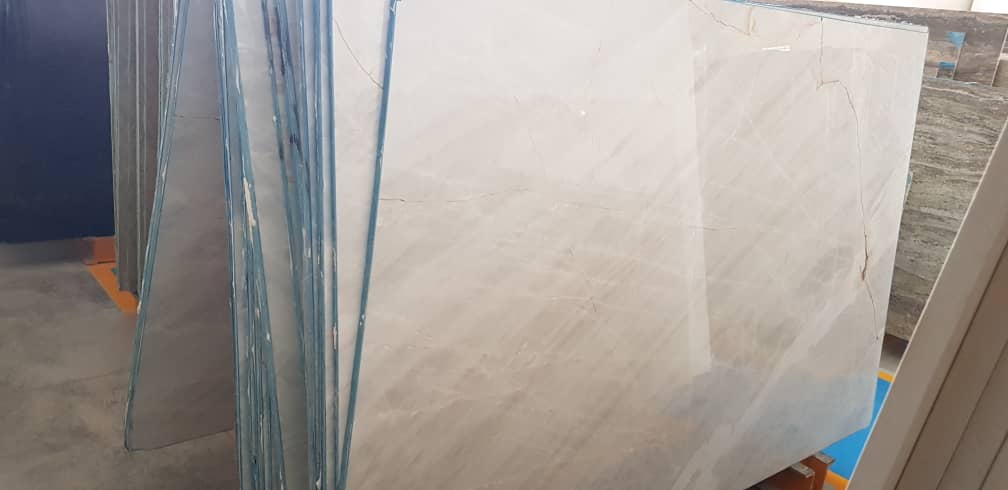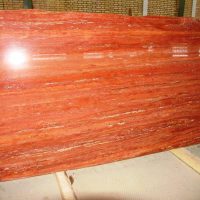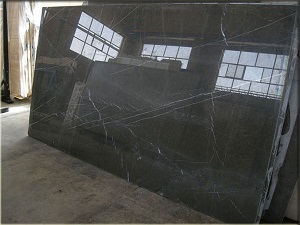
Gray Ash Limestone

Different Types of Limestone

A Guide for Buyers and Exporters

Why Limestone Is in High Demand

Limestone stands as one of the most versatile natural stones in the global market. Known for its durability, elegance, and wide range of applications, it is used in construction, architecture, landscaping, and interior design. Moreover, its natural beauty and availability make it a top choice for both local projects and international exports.

Consequently, understanding the different types of limestone helps buyers, architects, and exporters choose the right material for every project.

Popular Types of Limestone

1. Chalk Limestone

Chalk is a soft and porous type of limestone, usually white or light grey. Builders use it in cement production and soil treatment. Therefore, exporters often supply chalk limestone to industries that require bulk raw materials.

2. Travertine Limestone

Travertine forms through mineral deposits near hot springs, giving it a unique texture with natural cavities. Its warm tones and earthy appearance make it ideal for flooring, wall cladding, and outdoor spaces. In addition, exporters market travertine as a premium stone for luxury residential and commercial projects.

3. Fossiliferous Limestone

This type of limestone contains visible fossils of marine organisms, making it both decorative and historically valuable. Architects use it in facades, monuments, and unique design features. As a result, fossiliferous limestone appeals to projects that emphasize natural history and aesthetics.

4. Oolitic Limestone

Oolitic limestone is made up of tiny spherical grains called ooids. It has a fine, uniform texture and is easy to cut. Builders commonly use it in decorative facades, paving, and cladding. Consequently, it has strong demand in both domestic and export markets.

5. Lithographic Limestone

Lithographic limestone is dense and fine-grained, historically used for printing lithographs. Today, it is valued for flooring and polished surfaces. Therefore, exporters highlight its smooth finish and durability when promoting it to global buyers.

6. Coquina Limestone

Coquina is a soft, porous stone made of shell fragments. It is often used in landscaping, decorative walls, and garden projects. In addition, coquina offers a natural, coastal look, making it popular in sunny regions and resort developments.

Export Potential of Limestone

Global demand for limestone continues to rise in construction, luxury design, and infrastructure projects. Countries in Asia, the Middle East, and Europe import large volumes for both industrial use and high-end projects. Furthermore, light-colored limestones are especially popular in modern architecture, while fossil-rich and textured varieties attract luxury buyers.

How Exporters Can Succeed

To succeed in limestone exports, suppliers should:

  • Offer a variety of limestone types to meet diverse market needs.

  • Provide finishing options like polished, honed, or tumbled surfaces.

  • Highlight sustainability and long-term performance.

Moreover, SEO-driven marketing strategies help exporters connect with architects, designers, and distributors searching for premium limestone suppliers.

Conclusion: Choosing the Right Limestone

Overall, limestone comes in many types, including chalk, travertine, fossiliferous, oolitic, lithographic, and coquina. Consequently, each variety serves different purposes, from industrial use to luxury design. As a result, exporters who understand and promote these differences can tap into the growing global demand for natural limestone.
https://www.rockstone.biz/different-types-of-basalt/

rockstone company

Best Natural Stone for Sunny Weather

A Guide for Exporters and Buyers

Why Sunny Weather Requires Special Stone Choices

Regions with intense sunlight and high heat demand building materials that resist fading, expansion, and heat retention. The wrong stone can lose its color, crack, or become uncomfortable to walk on under direct sun. Therefore, choosing the right natural stone for sunny climates ensures both performance and beauty.

Gray Ash Limestone

Moreover, architects and homeowners in hot, sunny regions seek stones that combine durability, heat resistance, and light reflection. Consequently, exporters and suppliers who understand these requirements can meet growing demand in the Middle East, Southern Europe, North Africa, and tropical countries.

Best Natural Stones for Sunny Weather

1. Travertine: Cool and Comfortable

Travertine remains one of the most popular stones for sunny weather. Its porous surface naturally reflects heat, keeping floors cooler underfoot. As a result, homeowners prefer travertine for pool decks, patios, and outdoor flooring. Exporters highlight travertine’s timeless elegance and ability to perform well in hot climates.

2. Limestone: Light and Heat-Resistant

Limestone offers light tones that reflect sunlight, reducing surface heat. It also provides a smooth, elegant finish, making it ideal for facades, flooring, and garden pathways. In addition, limestone’s natural beauty appeals to both traditional and modern architecture, making it a strong export product for sunny regions.

3. Granite: Durable Under Harsh Sunlight

Granite withstands intense heat and UV exposure without losing color or strength. Buyers use it in countertops, outdoor kitchens, and building exteriors. Therefore, exporters often market granite as a versatile, all-weather stone that performs well in both hot and cold climates.

4. Sandstone: Natural and Non-Slip

Sandstone’s textured surface makes it safe for outdoor use, even in direct sunlight. It resists heat buildup and works well in landscaping, garden paths, and exterior cladding. Consequently, sandstone remains a reliable option for sunny regions where natural aesthetics matter.

5. Marble: Premium with Proper Care

Marble, when treated and maintained, performs well in sunny climates. Its light shades reflect sunlight, making it suitable for luxury outdoor spaces, wall cladding, and decorative elements. As a result, exporters continue to find strong demand for marble in luxury markets of the Middle East and Mediterranean countries.

Export Opportunities in Sunny Regions

Demand for heat-resistant stones continues to grow in countries with hot climates, especially in residential villas, resorts, and commercial developments. Furthermore, architects seek natural stone that combines beauty, sustainability, and durability to meet rising expectations in these regions.

How Exporters Can Succeed

To capture these opportunities, exporters should:

  • Offer light-colored, heat-reflective stones.

  • Provide finishing and sealing guidance for long-term performance.

  • Highlight cooling benefits and aesthetic versatility.

In addition, digital marketing with SEO-optimized content helps exporters connect with architects, builders, and distributors in sunny-weather markets.

Conclusion: Choosing the Best Natural Stone for Sunny Weather

Overall, the best natural stones for sunny climates include travertine, limestone, granite, sandstone, and marble. Consequently, exporters who supply these materials can meet global demand in hot, sunny regions. As a result, natural stone continues to deliver both durability and timeless beauty, making it a profitable choice for sunny-weather construction.

https://www.rockstone.biz/best-type-of-travertine-for-export/

rockstone company

alabaster slab

Best Stone Tile for Bedroom

Style, Comfort & Natural Elegance

Stone tile is no longer just for kitchens and bathrooms—it’s becoming a popular flooring option in bedrooms thanks to its durability, low maintenance, and natural charm. If you’re considering upgrading your bedroom flooring, choosing the best stone tile can create a peaceful, stylish retreat that lasts for decades.

Why Stone Tile Works in Bedrooms

Unlike traditional hardwood or carpet, natural stone offers a unique blend of sophistication and practicality. While it may not be the first material you think of for bedroom flooring, here’s why stone tile makes an excellent choice:

  • Hypoallergenic: Stone does not trap dust or allergens like carpet.

  • Durable: Withstands wear and resists scratches.

  • Natural Beauty: Every tile is one-of-a-kind with rich textures and colors.

  • Ideal for Radiant Heating: Stone retains warmth when paired with heated floors.

Top 4 Best Stone Tiles for Bedroom Floors

Not all stone tiles are created equal. The right choice depends on your style preferences, climate, and maintenance needs. Below are the top stone tiles suited for bedrooms:

1. Limestone Tile: Soft and Subtle

Limestone offers a calm, neutral appearance with a smooth matte finish. Its soft tones—beige, cream, and light gray—create a relaxed and natural bedroom vibe.

Pros:

  • Warm, earthy tones

  • Soft texture underfoot

  • Ideal for Mediterranean or modern decor

Cons:

  • More porous than other stones

  • Requires regular sealing

Best for: Bedrooms aiming for a serene, minimalist look.

2. Travertine Tile: Classic and Cozy

Travertine has a naturally weathered look that brings warmth and character. It’s perfect for cozy, rustic, or Tuscan-inspired bedroom interiors.

Pros:

  • Textured surface adds visual depth

  • Good traction

  • Pairs well with radiant heating

Cons:

  • Porous and needs sealing

  • Can show wear if not properly maintained

Best for: Bedrooms with rustic or traditional aesthetics.

3. Marble Tile: Luxurious and Timeless

If you’re looking for elegance, marble is the go-to option. With its high-end veining and polished finish, marble tile turns any bedroom into a sophisticated suite.

Pros:

  • Timeless beauty

  • Boosts home value

  • Available in a range of colors

Cons:

  • Slippery when polished

  • Prone to etching and staining

Best for: Master bedrooms and upscale interior designs.

4. Slate Tile: Natural and Durable

Slate brings bold, natural texture to your floors. Its rich color variations—charcoal, rust, green—can add visual interest and depth to any bedroom.

Pros:

  • Naturally slip-resistant

  • Highly durable

  • Great for high-traffic bedrooms

Cons:

  • Uneven surface if not honed

  • Dark tones may not suit all styles

Best for: Modern, industrial, or nature-inspired rooms.

Choosing the Right Stone Tile for Your Bedroom

When selecting a stone tile for your bedroom, consider:

  • Comfort: Choose a finish that feels smooth underfoot.

  • Color palette: Match tones to your bedroom theme.

  • Maintenance: Know the sealing and cleaning needs.

  • Temperature: Pair with radiant heating for year-round comfort.

Final Thoughts: Invest in Comfort and Style

The best stone tile for your bedroom blends functionality with design. Whether you love the warmth of travertine, the elegance of marble, or the durability of slate, there’s a stone tile that fits your vision. With proper installation and care, stone flooring can elevate your bedroom into a peaceful, luxurious sanctuary.

https://www.rockstone.biz/best-stone-tile-for-villas/

Azna Christal

The Most Fragile Building Stone

Understanding Its Beauty and Challenges

In the world of architecture, stones have long held value for their strength and durability. However, not all stones perform equally. Some break easily and require extra care during construction. In this article, we explore the most fragile building stones and explain why architects still choose them despite their delicate nature.

What Makes a Building Stone Fragile?

A stone’s composition, density, and resistance to pressure or weathering determine its fragility. Because softer stones score lower on the Mohs hardness scale, they face greater risk of breakage and erosion. Although these materials may wear down faster, their beauty often convinces designers to incorporate them into projects.

Types of Fragile Building Stones

Several stones earn a reputation for fragility, including:

  • Limestone: Builders often choose limestone for its versatility; however, it remains relatively soft and erodes under harsh conditions.

  • Travertine: This stone offers rich textures and patterns, yet it weakens when exposed to moisture for long periods.

  • Alabaster: Artisans prize alabaster for its fine texture and smooth surface, but its softness and brittleness limit its structural use.

Why Use Fragile Stones in Construction?

Despite their weaknesses, these stones bring unique charm to architectural design. In particular, limestone, travertine, and alabaster offer visual qualities that few other materials can match. Consequently, architects use them for facades, decorative details, and sculptures to add elegance and distinctive character.

The Aesthetic Value of Fragile Stones

Fragile stones often display striking textures and colors that enhance a building’s appeal. For example, travertine can fill interiors with warm, earthy tones, while alabaster adds a soft, glowing effect to carvings and sculptures. Therefore, these materials often become focal points in both modern and classical architecture.

How to Care for Fragile Building Stones

To extend the life of delicate materials, follow these maintenance guidelines:

  • Regular Cleaning: Remove dust and dirt with a soft cloth or brush to prevent scratches.

  • Sealing: Apply a high-quality sealant to limestone or travertine in order to block moisture and stains.

  • Avoid Heavy Impact: Place fragile stones in areas protected from heavy knocks or strong pressure.

https://www.rockstone.biz/best-countries-to-buy-stone/

Farzin rock stone company 

Brown-Onyx

Best Countries to Buy Stone

Top Global Sources for Quality and Value

Are you planning to import natural stone for your construction or design project? If so, choosing the right country of origin is a critical step. Not only does it impact quality, but it also affects cost, variety, and supply chain efficiency. In this guide, we highlight the best countries to buy stone, trusted by builders, designers, and suppliers around the world.

green granite

Why Country of Origin Matters in the Stone Industry

Before you make a purchase, it’s important to understand that not all stone is created equal. Depending on where it’s sourced, the stone may vary in:

  • Durability and resistance to weather

  • Color, texture, and rarity

  • Cutting and finishing techniques

  • Pricing and export reliability

Therefore, sourcing from the right country can give you a major edge in terms of quality and cost-effectiveness.

Top 5 Countries for Buying Natural Stone

1. Italy – Synonymous with Luxury and Design

Italy has long been a global icon in the stone industry. In particular, Carrara Marble is prized for its elegant appearance and high-end appeal. Moreover, Italian quarries are known for their precision and innovation.

  • Famous for white marble with soft veining

  • Advanced processing technology ensures top quality

  • Ideal for luxury projects and premium interiors

Consequently, if you want timeless elegance, Italy is your go-to.

2. India – Affordable and Highly Versatile

India stands out for its affordability and wide range of stone types. Whether you need granite, sandstone, or slate, India offers excellent options.

  • Known for durable granites like Absolute Black

  • Competitive pricing ideal for bulk buyers

  • Strong export infrastructure ensures consistent delivery

Additionally, Indian suppliers are experienced in handling large international orders.

3. Brazil – Vibrant and Exotic Stone Patterns

If you’re looking for bold colors and unique textures, Brazil is a top choice. The country is rich in quartzite and granite, especially varieties with dramatic patterns.

  • Source of exclusive stones like Fusion and Taj Mahal Quartzite

  • Cutting-edge processing for global standards

  • Ideal for high-impact designs and statement pieces

As a result, Brazil is perfect for creative architectural projects.

4. Turkey – Reliable Source with Competitive Pricing

Turkey combines quality and affordability, especially in marble. Its travertine and beige marbles are popular worldwide.

  • High production volumes and consistent quality

  • Lower prices compared to Italy, but still high-end

  • Excellent logistics and shipping infrastructure

Therefore, it’s a smart choice for both residential and commercial use.

5. China – Mass Production and Budget-Friendly

China is a major exporter of stone, particularly for projects on a tight budget. Although quality can vary, the country excels in efficiency.

  • Offers granite, marble, and engineered stone

  • Shorter lead times and bulk production capabilities

  • Ideal for low- to mid-tier construction projects

However, quality control is essential when sourcing from China.

Final Thoughts: Choose Smart, Build Better

In conclusion, choosing the best country to buy stone depends on your goals. For premium finishes, look to Italy or Brazil. If cost matters more, India or Turkey may be the right fit. And for large-scale, fast-turnaround jobs, China delivers value.

https://www.rockstone.biz/can-you-seal-marble/

Biggest Stone Producers in the World

Farzin Rock Stone Company 

granite_stone

Most Demanded Stones in Western Europe

Top Choices for Construction and Design

In 2024, Western Europe continues to experience growth in construction and design, making natural stones an essential material in various projects. Whether used for residential, commercial, or landscaping applications, natural stones are valued for their durability, beauty, and sustainability. In this article, we will explore the most demanded stones in Western Europe, while also highlighting their uses and popularity in the market.

1. Granite: The Leading Choice for Strength and Versatility

Granite remains one of the most popular stones in Western Europe, thanks to its strength, durability, and aesthetic appeal. From countertops and flooring to building facades, granite appears in both residential and commercial projects. Because it resists weathering, stains, and scratches, it serves as an ideal choice for high-traffic areas and outdoor applications. Furthermore, countries like Italy, Spain, and France maintain strong granite industries to meet the growing demand for this timeless material.

Why Granite is So Popular in Western Europe:

  • Highly durable and resistant to scratches, stains, and weathering.

  • Available in a wide range of colors, from deep blacks to vibrant reds and greens.

  • Perfect for kitchens, bathrooms, facades, and monuments.

Popular Granite Varieties in Western Europe:

  • Italian Black Granite

  • French Burgundy Granite

  • Spanish White Granite

2. Marble: A Timeless Stone for Luxury and Elegance

Marble is synonymous with luxury and sophistication in Western European architecture. As a result, high-end residential, commercial, and hospitality projects often feature marble as a primary material. With its unique veining patterns and range of colors—from pure whites to rich creams and dramatic blacks—it adds timeless elegance to any space. Consequently, designers frequently choose marble for floors, countertops, and decorative accents.

Why Marble is in High Demand:

  • Adds a sense of luxury and elegance to any project.

  • Ideal for upscale residential, commercial, and hospitality designs.

  • Available in a variety of colors and veining patterns for diverse aesthetics.

Popular Marble Varieties in Western Europe:

  • Italian Carrara Marble

  • French Calacatta Marble

  • Spanish Crema Marfil Marble

3. Limestone: A Cost-Effective and Versatile Choice

Limestone is in high demand across Western Europe because it offers both affordability and versatility. It is frequently used for exterior and interior applications, including facades, flooring, and garden features. Moreover, its neutral color palette and natural texture allow it to fit seamlessly into both modern and traditional designs. For this reason, countries like France, the UK, and Germany rely on limestone for a wide variety of construction and landscaping needs.

Why Limestone is Popular in Western Europe:

  • Affordable and widely available.

  • Versatile for use in both interior and exterior projects.

  • Offers a natural, timeless aesthetic that complements various architectural styles.

Popular Limestone Varieties in Western Europe:

  • French Beige Limestone

  • British Portland Stone

  • German Jura Limestone

4. Travertine: Ideal for Outdoor Landscaping Projects

Travertine enjoys high demand in Western Europe, particularly for outdoor and landscaping projects. Because its porous surface makes it naturally slip-resistant, it works perfectly for pool decks, patios, and walkways. In addition, the warm, earthy tones of travertine blend beautifully with both traditional and contemporary designs. This is why Mediterranean-inspired landscaping projects across the region often feature this stone.

Why Travertine is in Demand:

  • Slip-resistant, making it perfect for outdoor spaces like pool areas and patios.

  • Affordable compared to other luxury stones like marble and granite.

  • Offers a rustic, natural appearance that complements outdoor landscapes.

Popular Travertine Varieties in Western Europe:

  • Italian Noce Travertine

  • Spanish Ivory Travertine

  • Turkish Travertine

5. Sandstone: A Durable and Stylish Stone for Various Applications

Sandstone remains a popular stone in Western Europe for both construction and landscaping projects. Due to its durability and natural appeal, it works well for both interior and exterior use. Additionally, sandstone’s wide color range—from soft tans to deep reds—allows it to complement many architectural styles. As a result, builders frequently use it for facades, paving, and garden walls.

Why Sandstone is Popular in Western Europe:

  • Durable and weather-resistant, making it suitable for both interior and exterior applications.

  • More affordable compared to premium stones like marble and granite.

  • Available in a wide variety of colors and finishes to suit different design styles.

Popular Sandstone Varieties in Western Europe:

  • British Yorkshire Sandstone

  • French Burgundy Sandstone

  • Spanish Red Sandstone

https://www.rockstone.biz/importing-stone-…-to-saudi-arabia/

Demanded Stones in Europe

Farzin rock stone company 

marble

Most Demanded Stones in Poland

Key Materials for Construction and Design

Poland is home to a variety of stones that are essential in construction, landscaping, and design. Not only are these materials valued for their durability, but they also stand out for their beauty and versatility. In this guide, we highlight the most demanded stones in Poland while explaining their applications in different industries.

silver travertine
silver travertine

Most Popular Stones in Poland and Their Uses

In Poland, granite, limestone, marble, and sandstone rank among the most commonly used stones. Because each offers distinct benefits, they serve different purposes in residential and commercial projects.

1. Granite: A Durable and Versatile Stone

Granite remains one of Poland’s most popular stones. Thanks to its strength and long-lasting qualities, builders and architects frequently choose it for demanding projects. Moreover, its resistance to wear makes it ideal for both indoor and outdoor applications.

Common Uses of Granite:

  • Countertops and bathroom surfaces

  • Flooring and exterior cladding

  • Memorials and decorative structures

2. Limestone: A Sustainable and Practical Choice

Limestone continues to be a top choice in Poland for both construction and decorative purposes. Because it’s easily accessible from areas like Kraków and Opole, it offers both cost-effectiveness and versatility. Whether used for large-scale infrastructure or detailed architectural designs, limestone provides durability and ease of use.

Common Uses of Limestone:

  • Building construction and roadwork

  • Sculptures and facades

  • Landscaping and outdoor features

Why the Demand for Stones Is Growing in Poland

Poland’s demand for stones continues to rise due to urbanization and infrastructure development. As new projects emerge, builders increasingly seek durable, sustainable materials. Consequently, natural stones like granite and limestone remain in high demand while also meeting the growing need for eco-friendly solutions.

3. Marble: A Symbol of Elegance and Luxury

Marble is renowned for its timeless beauty and sense of luxury. In particular, Polish marble from the Świętokrzyskie Mountains stands out for its fine texture and rich color. As a result, high-end projects frequently feature it in countertops, flooring, and sculptures. Because it creates a sophisticated atmosphere, marble continues to enjoy strong popularity.

Common Uses of Marble:

  • High-end countertops and flooring

  • Sculptures and architectural details

  • Luxury commercial spaces

4. Sandstone: A Timeless and Classic Option

Although sandstone is not as widely used as granite or limestone, it remains valuable in specific applications. For instance, it plays a key role in restoring historical buildings and intricate architectural designs. Additionally, sandstone suits outdoor paving and landscaping, where its natural texture adds character.

Common Uses of Sandstone:

  • Restoration of historical buildings

  • Outdoor paving and garden features

  • Decorative carvings and facades

https://www.rockstone.biz/importing-stone-cubes-to-china/

https://www.rockstone.biz/demanded-stones-in-argentina/

Farzin rock stone company

Can You Pressure Wash Limestone

marble

Demanded Stones in Argentina

A Growing Industry

In recent years, the demand for high-quality stones in Argentina has surged, driven not only by domestic needs but also by strong international markets. From decorative stones used in construction to precious gems and minerals, Argentina offers a variety of stones prized for both their aesthetic and industrial value. In this article, we explore the most popular stones in Argentina and explain why they enjoy such high demand.Demanded Stones in Argentina

The Importance of Stone Mining in Argentina

Argentina’s stone mining industry plays a key role in the country’s economy. As one of South America’s largest producers of valuable stones used in architecture, landscaping, and jewelry, it holds a significant position in the region. Moreover, the industry continues to grow as international buyers seek Argentine stones for high-end projects. For example, the export of granite, marble, and quartz contributes substantially to Argentina’s economic performance.

1. Granite: A Versatile Favorite in Argentina

Granite ranks as one of the most popular stones in Argentina. Because of its durability and stunning appearance, builders and designers often choose it for demanding projects. Commonly, people use granite for countertops, flooring, and cladding. Notably, Argentina’s granite is known for its fine quality and wide color range, including blacks, blues, and reds. As a result, it works well for both residential and commercial applications.

Furthermore, as international demand for Argentine granite increases, countries like the United States and many in Europe incorporate it into high-end buildings. Thanks to its availability in different textures and finishes, Argentina competes successfully in the global market.

2. Marble: The Classic Stone of Elegance

Marble holds strong demand in Argentina, especially in the luxury market. Due to its elegance and timeless beauty, builders use it to create refined and lasting designs. Typically, marble appears in flooring, sculptures, and decorative details. In particular, marble from Mendoza and Córdoba stands out for its unique veining and color variations. It ranges from soft whites and creams to striking blacks, making it perfect for luxury projects.

Historically, marble has served as a symbol of sophistication in Argentina and plays an essential role in the country’s architectural heritage. Consequently, the demand for Argentine marble—both locally and internationally—continues to rise, ensuring its position as a top export product.

3. Quartz: A Modern Choice for Sustainable Design

Quartz has gained popularity as sustainability becomes a central focus in design and construction. Increasingly, designers and builders choose engineered quartz for countertops, backsplashes, and other interior elements. Because it offers durability, low maintenance, and diverse design options, quartz has earned a strong place in modern projects.

In recent years, both domestic and international markets have fueled quartz demand in Argentina. With the growing emphasis on eco-friendly building materials, quartz is likely to remain a popular, sustainable, and stylish alternative to traditional stones.

Farzin rock stone company 

Best Countries to Export Stones

marble

Demanded Stones in Brazil

Key Products and Markets

Brazil stands as one of the world’s largest producers and exporters of natural stones. The country offers a variety of stones for construction, design, and architecture. Granite, marble, and quartzite rank among the top choices. These stones attract high demand both in Brazil and across the globe. This article highlights the most popular stones and explains why buyers value them so highly.Demanded Stones in Brazil

Unveiling the Composition of Travertine Stone

The Role of Stone Mining in Brazil’s Economy

Stone mining plays a vital role in Brazil’s economy. The country leads the export of granite, marble, and quartzite. Builders and designers use these stones extensively in construction and interior design. Brazil produces diverse stone varieties in different colors and finishes, which buyers worldwide find highly desirable. The stone industry keeps expanding, adding value to both local and international markets.

1. Granite: A Durable and Stylish Choice

Granite remains one of the most popular stones in Brazil. Builders choose it for its strength, durability, and beauty. Brazilian granite comes in a range of colors, including white, black, blue, and green. People often use it for countertops, flooring, and facades.

International buyers, especially in the United States and Europe, place strong orders for Brazilian granite. Its exceptional quality and variety of finishes make it a leading option for high-end projects. Builders rely on granite for its long-lasting appeal and consistent performance.

2. Marble: The Elegant Option for Luxury Designs

Marble holds a steady demand in Brazil. Known for its timeless elegance, it appears in luxury construction projects across the country. Brazilian marble offers shades from classic white to rich browns and deep blacks. Architects and designers select marble for its beauty and sophistication.

Global markets continue to show interest in Brazilian marble. Its quality and distinctive veining give it a premium status for high-end projects. As luxury design grows in popularity, Brazilian marble will remain a preferred choice for upscale buildings and décor.

3. Quartzite: The Rising Star of Brazilian Stones

Quartzite has gained remarkable popularity in Brazil. This stone offers durability along with resistance to heat and scratches. Designers and builders install quartzite in countertops, flooring, and outdoor spaces. Its natural patterns and colors provide a stylish alternative to marble.

Demand for Brazilian quartzite keeps rising both locally and abroad. The United States and Europe rank among its most important markets. As more clients seek low-maintenance yet attractive stones, quartzite will likely keep advancing as a favorite option.

https://www.rockstone.biz/most-demanded-st…-in-saudi-arabia/

Farzin rock stone company 

Best Stones to Export

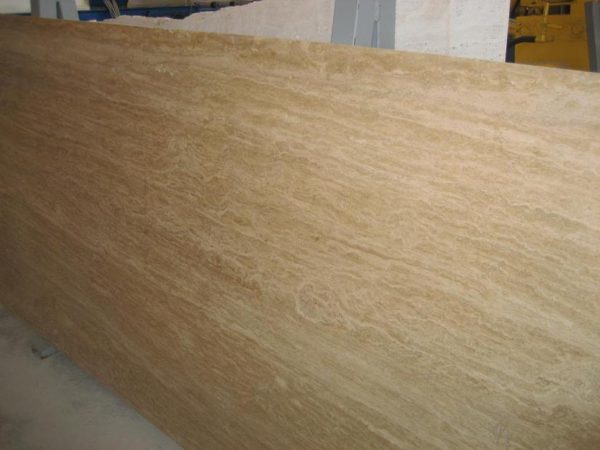
Yellow Travertine Floor

Demanded Stones in Mexico

A Growing Market

Mexico ranks among the top producers and exporters of natural stones worldwide. Thanks to its rich geological diversity, the country offers a wide range of stones—such as granite, marble, and onyx—that attract high demand both domestically and internationally. Moreover, buyers prize Mexican stones for their aesthetic appeal, durability, and versatility. In this article, we examine the most demanded stones in Mexico and explain their role in the global market.

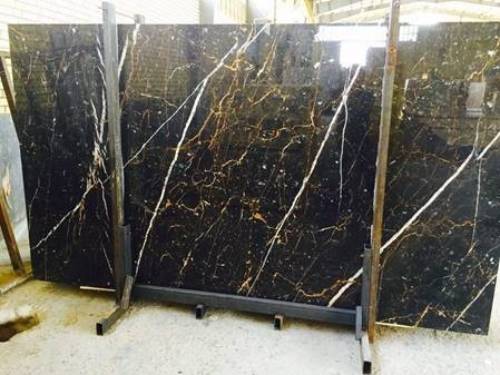
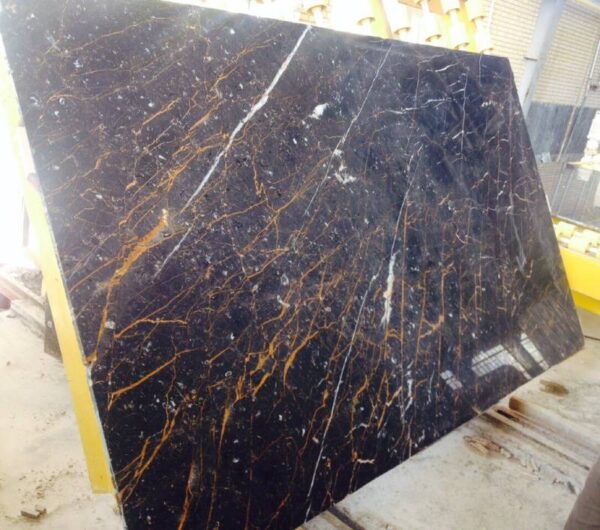
Black and yellow marble

The Importance of Stone Mining in Mexico’s Economy

Stone mining plays a significant role in Mexico’s economy. Because the country holds abundant natural resources, mining companies can extract and process various types of stone for multiple uses. As a result, builders and designers rely on Mexican granite, marble, and onyx for construction, interior design, and decorative applications. These materials appear in projects ranging from residential buildings to commercial structures and luxury homes.

Currently, Mexico’s stone industry continues to grow, and strong demand drives sales in both local and international markets. For example, countries like the United States, Canada, and several European nations import large volumes of Mexican stones. As global trends shift toward natural materials, high-quality Mexican stones are set to gain even more attention worldwide.

1. Granite: Durable and Versatile

Granite stands out as one of the most demanded stones in Mexico. Because of its strength, durability, and beauty, designers and builders value it for high-end projects. Mexican granite comes in a wide range of colors, including rich blacks, deep blues, and warm earth tones. Furthermore, its resistance to wear and tear makes it a reliable choice for countertops, flooring, and facades.

Over the past decade, global demand for Mexican granite has risen significantly. Buyers in North America and Europe often select it for luxury developments because it offers both exceptional quality and competitive pricing. With its durability and variety of finishes, granite continues to be a popular option for residential and commercial spaces.

2. Marble: The Elegant Choice for Luxury Projects

Marble holds a strong position in Mexico’s luxury market. Due to its classic elegance and versatility, architects and builders frequently choose it for upscale designs. Mexican marble offers fine texture and striking veining, which enhance flooring, countertops, and decorative features.

In addition, the country produces marble in a range of tones, from soft whites and creams to rich browns and deep blacks. Therefore, demand remains high both domestically and internationally. Ultimately, marble delivers timeless beauty and premium appeal, ensuring it will stay a preferred material for upscale designs.

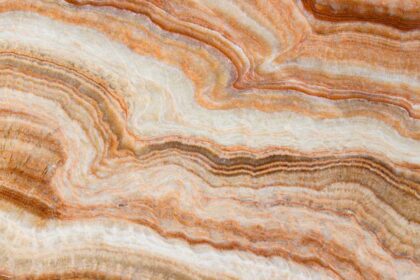
3. Onyx: A Unique and Luxurious Stone

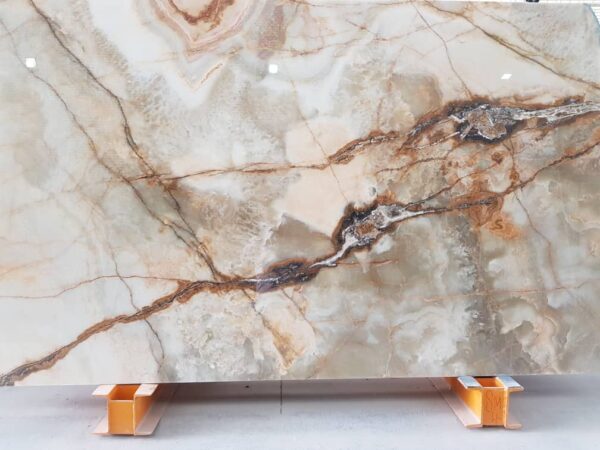
Onyx continues to gain traction as a luxury stone in Mexico. Not only does it offer translucent qualities, but it also provides bold visual impact. Designers often install onyx in countertops, lighting features, and wall coverings to create dramatic effects. Because it glows when backlit, it works perfectly for high-end interiors.

Moreover, Mexico supplies onyx in a wide range of shades, and international buyers recognize its premium quality. As demand for exclusive, visually striking materials grows, onyx maintains a strong position in luxury residential and commercial projects. Looking ahead, design trends that favor unique statement pieces will likely keep onyx in high demand.

https://www.rockstone.biz/demanded-stones-in-brazil

Best Stone for Export

Farzin rock stone company