A Comprehensive Guide
Exporting natural stone offers excellent profit potential thanks to growing global demand. However, selecting the right type of stone plays a crucial role in achieving success. Whether it’s for construction, interior design, or landscaping, certain stones dominate the market because of their durability, beauty, and versatility. In this guide, we’ll explore the best stones to export and explain why buyers worldwide seek them.
Why Export Natural Stone?
Natural stone remains a timeless material valued for its strength, elegance, and eco-friendliness. Across the globe, industries rely on it for residential, commercial, and industrial applications, making it a valuable commodity. Exporters benefit from strong demand in several sectors, including:
Construction – Granite and marble enhance flooring, facades, and countertops.
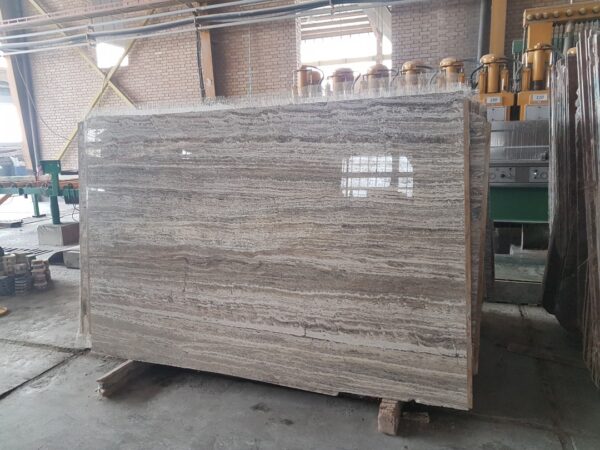
Interior Design – Limestone and travertine bring style to high-end spaces.
Landscaping – Sandstone and slate create patios, walkways, and garden walls.
Because of these varied uses, natural stone continues to attract steady international demand.
The Best Stones to Export
Several stones consistently perform well in export markets. Below are the most sought-after varieties, their uses, and why they remain in demand.
1. Marble – The Luxury Stone
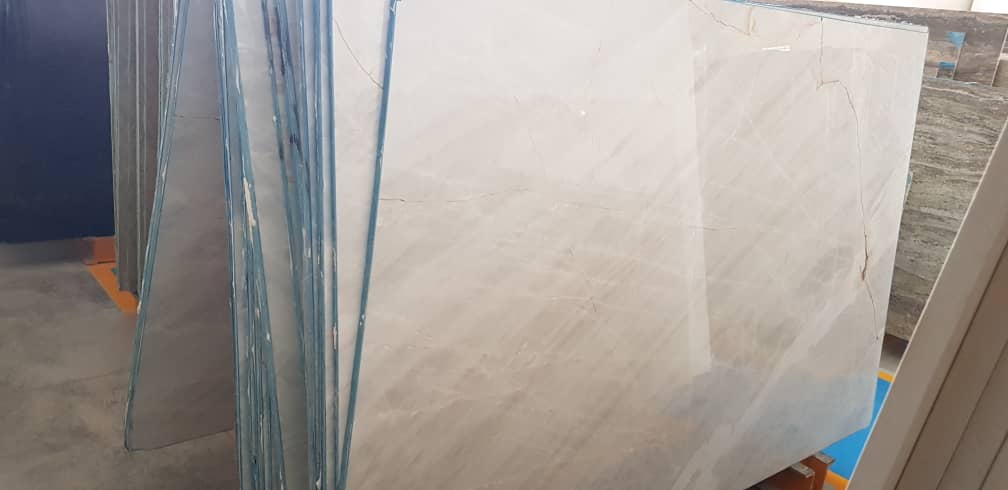
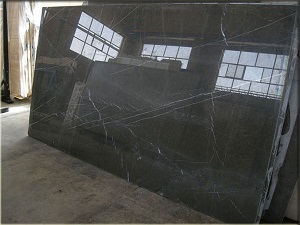
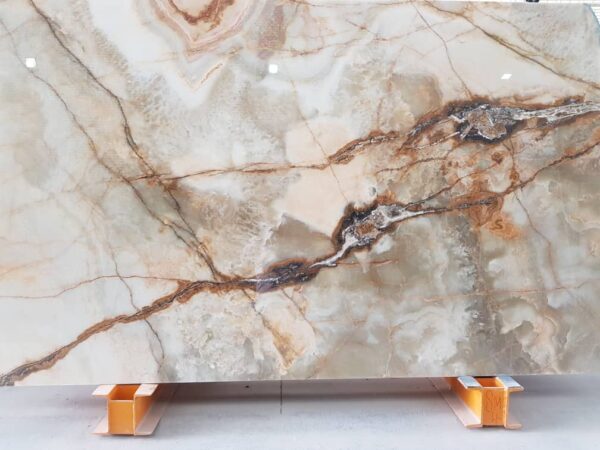
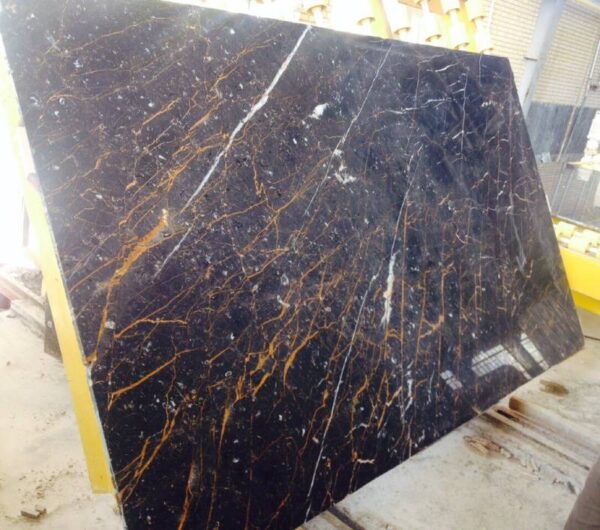
Marble ranks as one of the most prestigious stones in the world. Designers and architects choose it for luxury homes, upscale hotels, and landmark buildings. It works beautifully for countertops, floors, and ornate features. Moreover, its colors—ranging from pure white to deep black—allow unmatched design flexibility.
Why Marble? Its elegance, durability, and variety make it a favorite for premium projects across continents.
2. Granite – The Durable Choice
Granite stands out for its exceptional strength and resistance to daily wear. Builders use it in high-traffic areas, exterior cladding, and kitchen countertops. Its color palette—black, gray, brown, and more—fits both modern and traditional aesthetics.
Why Granite? Its heat resistance, durability, and design versatility suit both residential and commercial spaces.
3. Limestone – The Versatile Stone
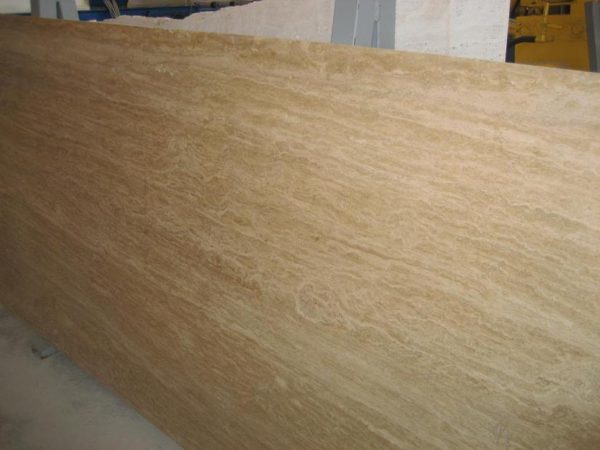
Limestone offers warm, natural tones and a smooth finish. Contractors install it for floors, wall cladding, patios, and garden features. It also plays a role in cement production, adding extra value to exporters.
Why Limestone? Its adaptability, availability, and easy workability make it a steady seller worldwide.
4. Sandstone – The Natural Option
Sandstone brings a rugged, natural charm to outdoor projects. Landscapers often choose it for patios, walkways, and retaining walls. In addition, its colors—beige, red, yellow—blend well with a variety of designs.
Why Sandstone? Its affordability, range of colors, and durability make it perfect for landscaping markets.
5. Slate – The Durable and Affordable Option
Slate serves well in roofing, flooring, and decorative cladding. Its layered texture and earthy colors appeal to designers seeking natural aesthetics. Furthermore, it requires minimal upkeep, which adds to its appeal for sustainable building projects.
Why Slate? Its resilience, low maintenance needs, and beauty make it ideal for both budget-conscious and luxury markets.



 white crystal