A Complete Guide for Buyers and Exporters
Why Slate Stone Is in High Demand
Slate stone stands as one of the most versatile natural stones in the world. Known for its strength, weather resistance, and elegant appearance, it is used in roofing, flooring, wall cladding, and landscaping projects. Moreover, its durability and unique textures make it highly attractive for both local markets and international export.

Therefore, understanding the different types of slate stone helps architects, builders, and exporters choose the best variety for each project.
Main Types of Slate Stone
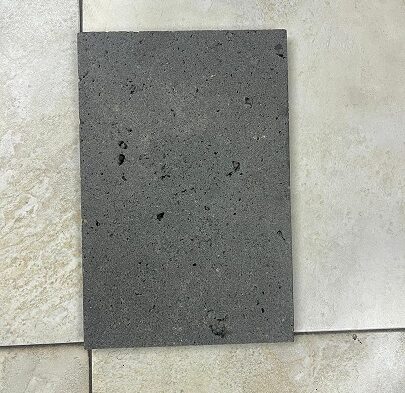
1. Black Slate
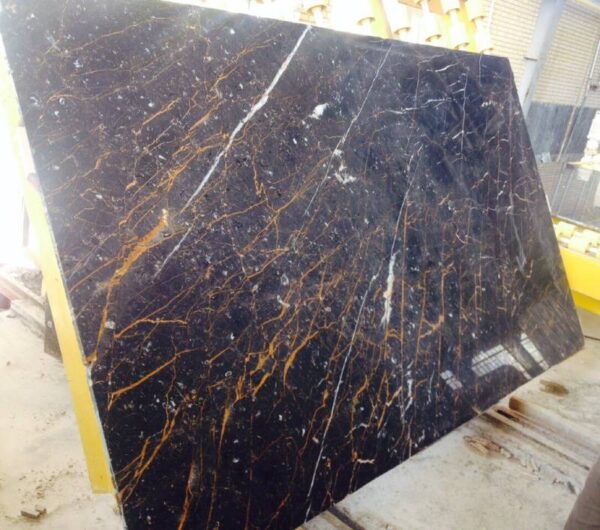
Black slate is one of the most popular varieties, widely used in roofing, flooring, and countertops. Its deep, elegant color makes it perfect for both modern and traditional architecture. Consequently, exporters market black slate as a premium product for luxury homes and commercial projects.
2. Green Slate
Green slate offers a fresh, natural look that blends beautifully with outdoor landscapes. Builders use it for garden pathways, wall cladding, and decorative flooring. In addition, green slate’s durability ensures long-lasting performance in both interior and exterior projects.
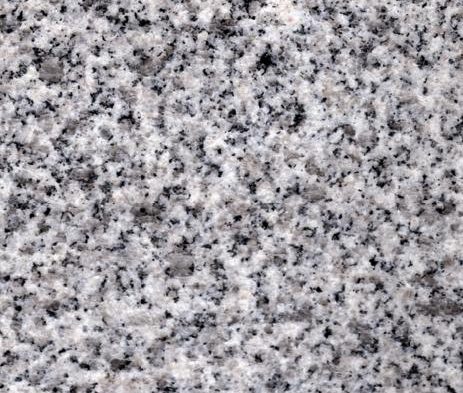
3. Grey Slate
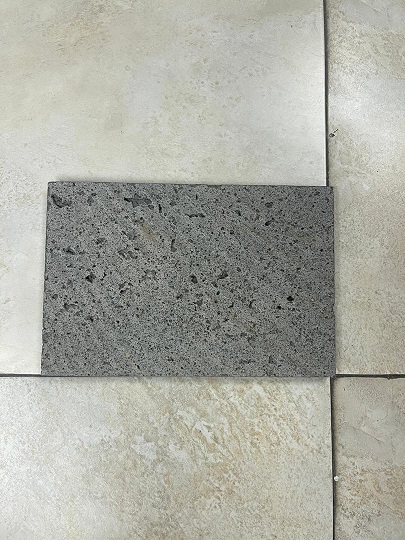
Grey slate is valued for its neutral tones and classic appearance. It suits a wide range of applications, from roof tiles to paving and wall panels. Therefore, exporters highlight grey slate as a versatile product for both contemporary and traditional designs.
4. Red Slate
Red slate provides a striking, warm color that adds character to any space. Architects often use it in facades, decorative flooring, and landscaping. As a result, red slate attracts buyers looking for natural stone that combines durability with unique visual appeal.
5. Purple Slate
Purple slate delivers a bold and luxurious aesthetic, making it popular in high-end architectural projects. Its rare color enhances wall cladding, flooring, and design accents. Consequently, purple slate often commands higher demand in export markets.
6. Multicolor Slate
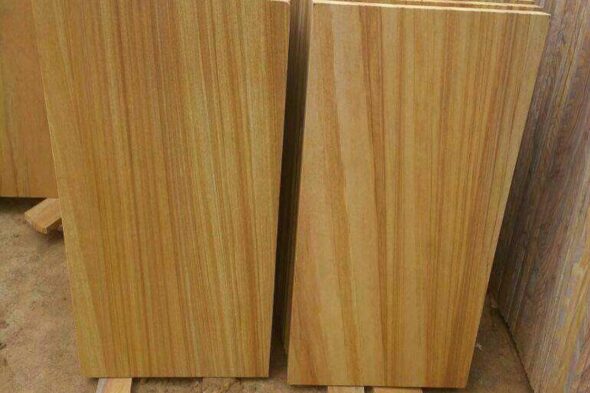
Multicolor slate displays vibrant patterns with shades of gold, green, and rust. This type is perfect for feature walls, outdoor flooring, and decorative surfaces. Moreover, exporters promote multicolor slate as a premium choice for designers seeking natural beauty with a unique style.
Export Opportunities for Slate Stone
Global demand for slate continues to rise in construction, interior design, and luxury projects. Countries in Europe, North America, and Asia import slate in large quantities for both residential and commercial use. Furthermore, slate’s eco-friendly qualities add to its growing popularity in sustainable construction.
How Exporters Can Succeed
Exporters should:
Offer a variety of slate types with different colors and finishes.
Provide customized cutting, polishing, and treatment options.
Highlight slate’s durability, slip resistance, and long-term performance.
In addition, digital marketing with strong SEO strategies helps exporters reach buyers searching for slate suppliers, roofing slate, or decorative slate stone.
Conclusion: Choosing the Right Slate Stone
Overall, slate stone comes in many types, including black, green, grey, red, purple, and multicolor. Consequently, each variety serves different purposes, from functional roofing to luxury interior design. As a result, exporters who promote slate’s versatility and natural beauty can meet the growing global demand for this timeless stone.
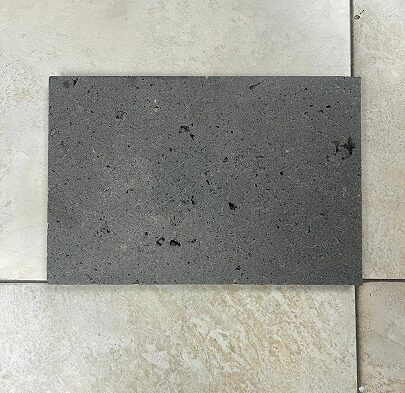





 white crystal