A Guide for Buyers and Exporters
Why Some Natural Stones Are Vulnerable
Natural stone is prized for its beauty and elegance, but not all stones can withstand heavy use, moisture, or acidic environments. For architects, builders, and exporters, understanding which stones are vulnerable helps avoid damage, high maintenance costs, and customer dissatisfaction.
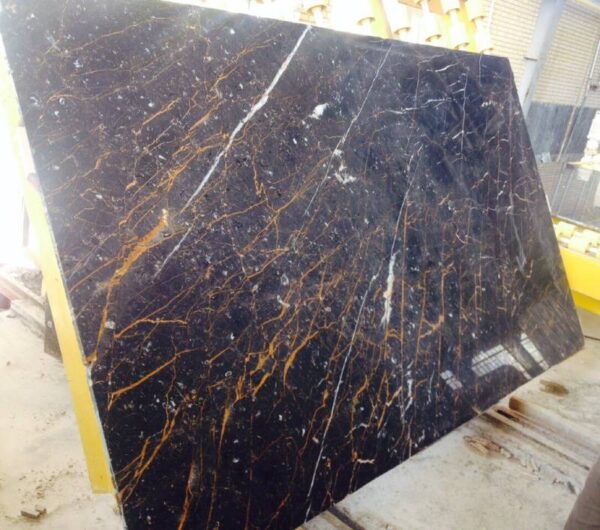
Moreover, vulnerable stones require careful handling, sealing, and protective treatments, especially when used in kitchens, bathrooms, outdoor areas, or high-traffic commercial spaces. Consequently, knowing their weaknesses allows exporters to guide clients and highlight proper usage.
The Most Vulnerable Natural Stones
1. Marble: Soft and Acid-Sensitive
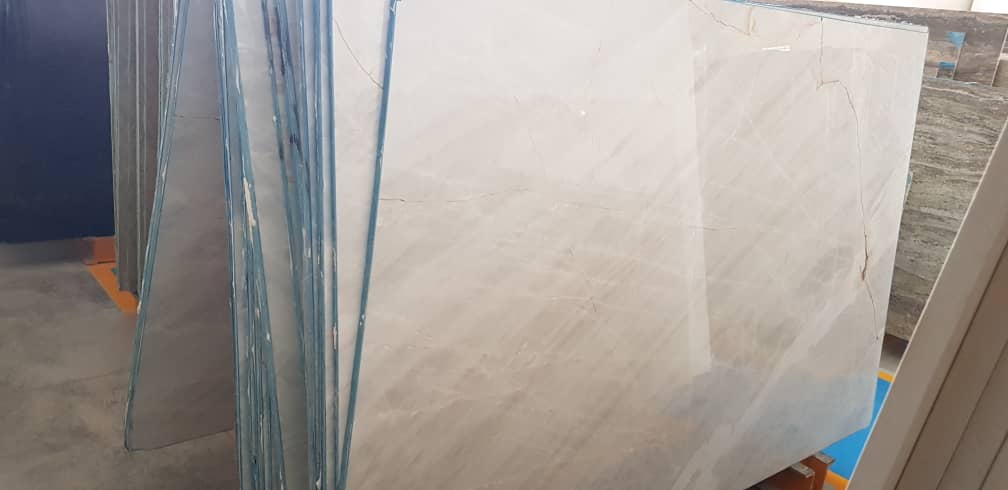
Marble is renowned for its luxurious appearance but remains one of the softest and most sensitive stones. Its high calcium content makes it vulnerable to acidic substances, scratches, and stains. As a result, architects use marble mainly in low-traffic areas, decorative features, and polished interiors. Exporters advise sealing and careful maintenance to protect its elegance.
2. Limestone: Porous and Easily Stained
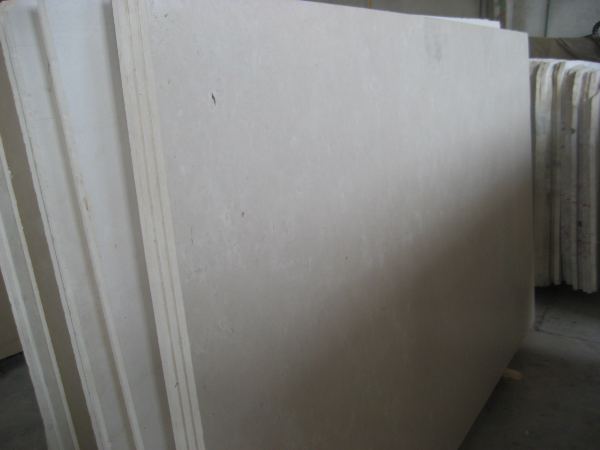
Limestone absorbs water and oils more easily than harder stones. It is prone to staining, erosion, and surface damage in humid or high-use areas. Therefore, buyers often choose limestone for facades, flooring, or decorative wall panels but require sealing and periodic care. Exporters highlight its aesthetic appeal while cautioning about vulnerability.
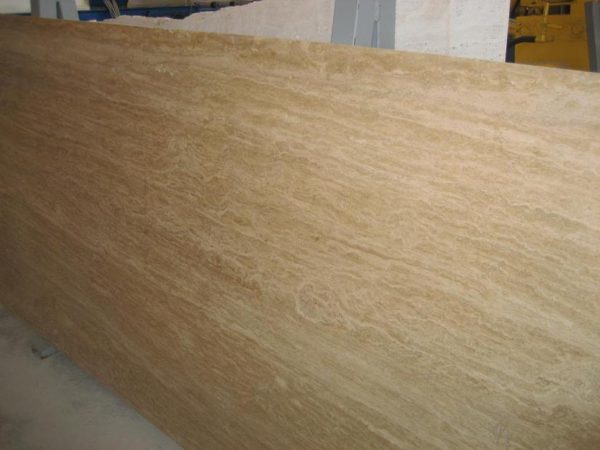
3. Travertine: Soft and Porous
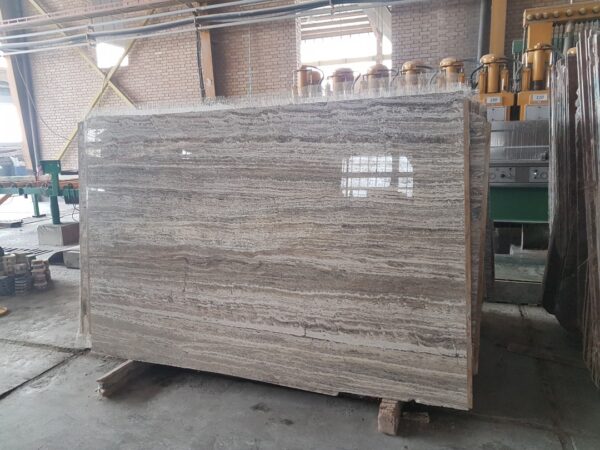
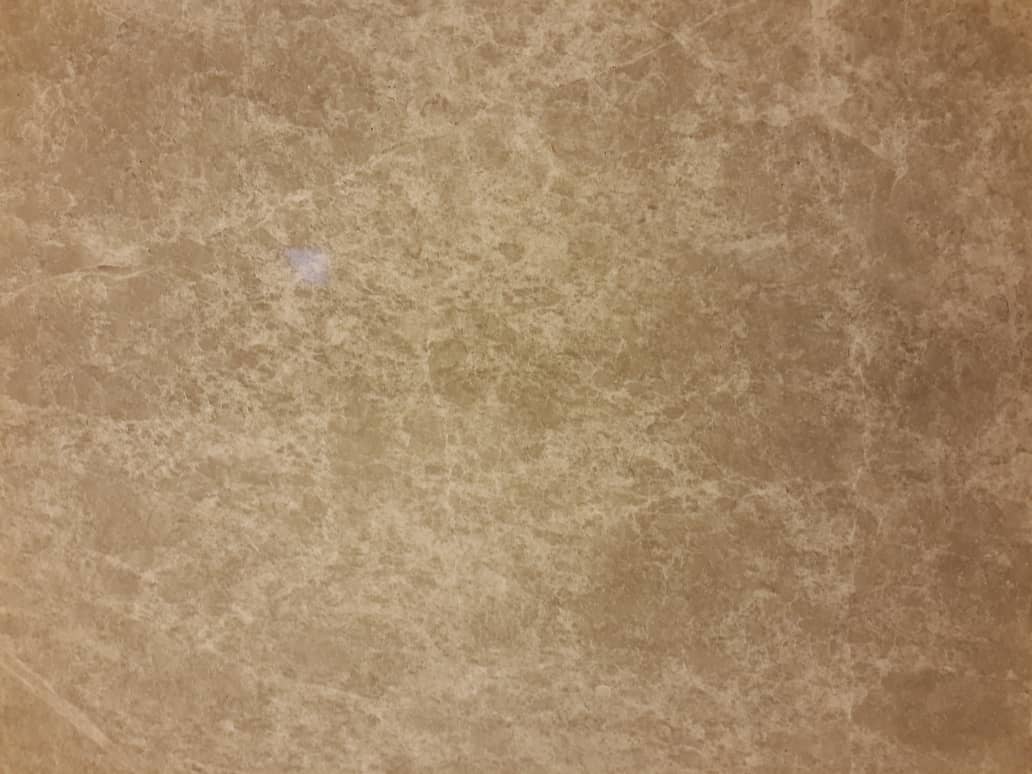
Travertine has a distinctive porous texture, making it vulnerable to moisture and acidic substances if untreated. Consequently, designers use it mainly for flooring, wall cladding, and light-traffic spaces, and recommend filling or sealing cavities before installation. Exporters often include care instructions to maintain its natural beauty.
4. Onyx: Delicate and Scratch-Prone
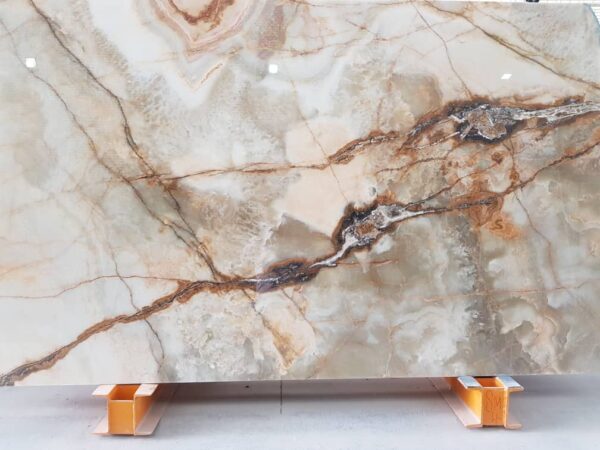
Onyx offers luxurious translucency and vibrant colors, but it is extremely soft and fragile. It scratches, chips, and stains easily. As a result, onyx is best used in feature walls, decorative panels, and low-contact applications. Exporters often highlight its premium aesthetic while warning clients about careful handling.
5. Soapstone: Soft and Sensitive to Impact
Soapstone has a smooth, silky surface but is prone to scratches and dents. While it resists chemicals, it cannot handle heavy impact. Therefore, buyers choose it for countertops, sinks, and decorative surfaces, with proper maintenance and occasional refinishing to restore its appearance.
Export Opportunities for Vulnerable Stones
Vulnerable stones remain in demand for luxury interiors, decorative applications, and high-end design projects. Markets in Europe, North America, and the Middle East continue to import marble, onyx, and travertine for aesthetic-focused projects. Furthermore, educating clients about care and protective treatments strengthens supplier credibility.
How Exporters Can Succeed
Suppliers can thrive by:
Offering a variety of vulnerable stones with finishing options.
Providing detailed care, sealing, and maintenance instructions.
Highlighting their luxury and aesthetic value despite vulnerabilities.
In addition, strong SEO-driven marketing attracts architects, designers, and distributors searching for marble suppliers, decorative onyx, and premium limestone.
Conclusion: Choosing the Right Vulnerable Natural Stone
Overall, marble, limestone, travertine, onyx, and soapstone are among the most vulnerable natural stones. Consequently, buyers and exporters must handle them carefully, provide protective treatments, and educate clients. As a result, these stones continue to offer unmatched elegance and luxury while requiring proper care to maintain their beauty.
https://www.rockstone.biz/best-natural-sto…for-cold-weather/

 white crystal