تلبية الطلب في البنية التحتية والتصميم الحضري
أدى التوسع الحضري السريع وتطوير البنية التحتية في الصين إلى زيادة الطلب على مواد البناء عالية الجودة بشكل كبير. من بين هؤلاء, مكعبات الحجر- والمعروفة أيضًا بالأحجار المرصوفة بالحصى أو الحجارة المكعبة - تلعب دورًا حاسمًا في تنسيق الحدائق, ممرات المشاة, المساحات العامة, ومشاريع ترميم التراث. كما تركز المحاجر المحلية على الألواح والبلاط الكبيرة, العديد من المطورين يتطلعون الآن إلى الخارج. وبالتالي, استيراد مكعبات الحجر إلى الصين أصبح خيارًا عمليًا ومربحًا.
لماذا تحتاج الصين إلى مكعبات حجرية مستوردة؟
كانت الصين منذ فترة طويلة قوة عالمية في إنتاج الحجر. ومع ذلك, بسبب ارتفاع الطلب المحلي ومتطلبات المشروع المحددة, تستورد العديد من شركات البناء والبلديات أحجار المكعب من دول مثل الهند, ديك رومي, وإيران. توفر هذه الحجارة المستوردة مزايا جمالية وهيكلية تفتقر إليها المواد المحلية أحيانًا.
الفوائد الرئيسية للمكعبات الحجرية المستوردة
تنوع المواد الفريدة: يقدم الموردون الدوليون البازلت, صوان, حجر الكلس, والحجر الرملي بألوان وملمس لا يمكن العثور عليه بسهولة في الصين.
سلاسل التوريد الموثوقة: مع المصدرين الراسخين وشبكات الشحن العالمية, عمليات التسليم متسقة وفي الوقت المناسب.
التشطيبات والأحجام المخصصة: الحجارة المستوردة غالبا ما تكون متاحة في هبط, ينقسم, أو التشطيبات الملتهبة - مثالية لاحتياجات المشاريع المختلفة.
فعالية التكلفة: في كثير من الحالات, يؤدي الاستيراد بكميات كبيرة من بلدان معينة إلى انخفاض تكاليف الوحدة مقارنة بالخيارات المحلية.
بسبب هذه الفوائد, أصبحت المكعبات الحجرية المستوردة مادة أساسية لمشاريع البناء الراقية والتي تقودها الحكومة.
كيفية استيراد المكعبات الحجرية إلى الصين بنجاح
على الرغم من أن الاستيراد ينطوي على اللوائح والخدمات اللوجستية, يمكن التحكم في العملية عند التعامل معها بالتخطيط المناسب والشراكات.
1. حدد الحجر المناسب والمورد
قد تتطلب كل منطقة في الصين مواد محددة. فمثلا:
مكعبات الجرانيت من الهند مثالية للممرات التجارية ذات الحركة المرورية العالية.
مكعبات البازلت من تركيا مثالية للساحات العامة الحديثة.
مكعبات الترافرتين من إيران تكمل التصاميم التقليدية أو الكلاسيكية.
علاوة على ذلك, العمل مع المصدرين ذوي الخبرة يضمن أن الحجارة تلبي معايير الجودة, التحمل الحجم, والمواعيد النهائية للمشروع.
2. فهم لوائح الاستيراد الصينية
يتطلب استيراد المكعبات الحجرية إلى الصين الامتثال للمعايير الوطنية والوثائق الواضحة, مثل:
قائمة الفاتورة التجارية والتعبئة
شهادة المنشأ وفاتورة الشحن
البيان الجمركي ورمز النظام المنسق (عادة 6801 أو 6802)
شهادات التفتيش, إذا لزم الأمر للمشاريع الحكومية
بالاضافة, من الحكمة التشاور مع وسيط جمركي محلي للتعرف على تعريفات ورسوم الاستيراد المحددة في الصين.
3. تحسين الخدمات اللوجستية والشحن
مكعبات الحجر ثقيلة, لكنهم يشحنون بكفاءة في الحاويات. يستخدم معظم المستوردين 20-حاويات القدم, تحمل عادة حولها 25 طن من الحجر. من المستحسن أن:
اختر شروط CIF إذا كنت تريد أن يتولى المورد عملية الشحن والتأمين
ضمان المنصات المناسبة لمنع الكسر
استخدم المنافذ الرئيسية مثل شنغهاي, نينغبو, أو تشينغداو للتوزيع الداخلي السريع
يقلل التخطيط اللوجستي المناسب من المهلة الزمنية ويقلل من مخاطر التأخير أو التكاليف الإضافية.
الأفكار النهائية: تعزيز سلسلة التوريد في الصين من خلال واردات المكعبات الحجرية العالمية
فى الختام, استيراد مكعبات الحجر إلى الصين هي خطوة استراتيجية للمطورين, مهندسي المناظر الطبيعية, والمقاولين الحكوميين. مع الموردين العالميين الذين يقدمون جودة عالية, التخصيص, والتسعير التنافسي, يمكنك رفع مستوى مشاريعك مع الحفاظ على كفاءة التكلفة.
من خلال التوافق مع المصدرين الموثوقين وإدارة عملية الاستيراد بفعالية, يمكن للشركات الصينية تأمين إمدادات ثابتة من المكعبات الحجرية ذات المستوى العالمي, ضمان النجاح على المدى الطويل في سوق البناء سريع النمو.

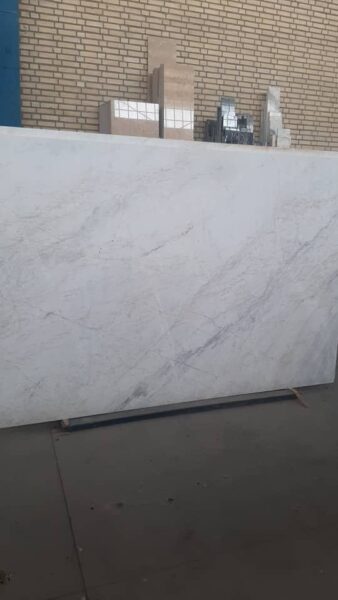 الكريستال الأبيض